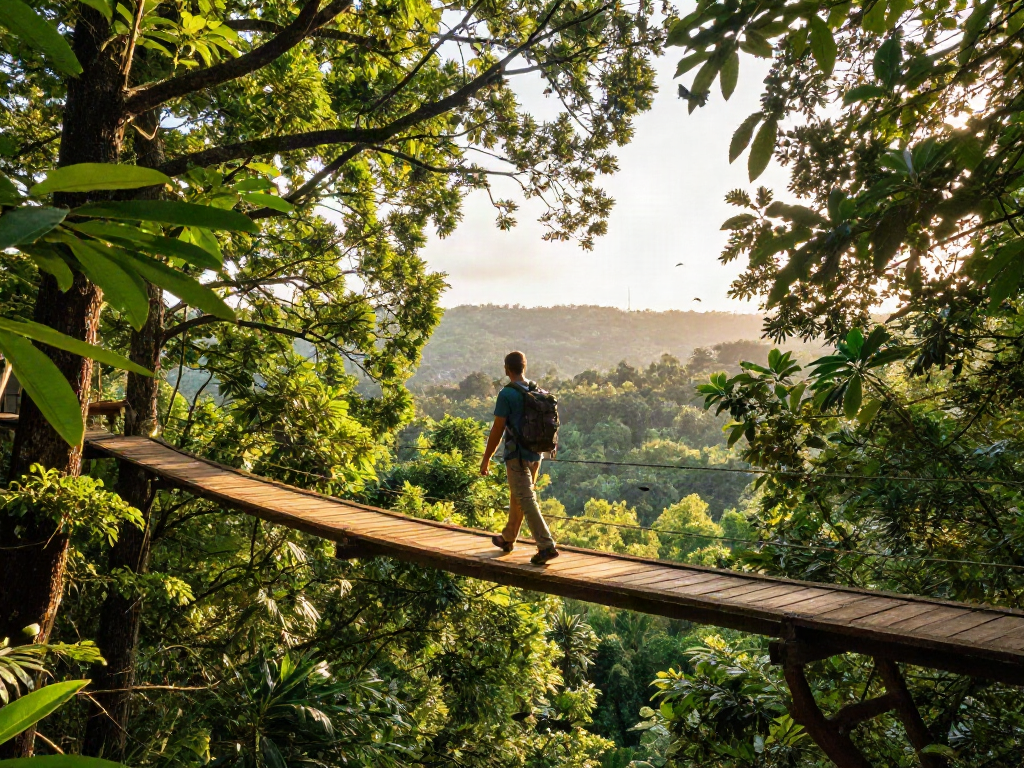
Understanding the Treetop Walkway Experience
The allure of a treetop walkway lies not only in the breathtaking views but also in the unique experience it offers to nature lovers and outdoor enthusiasts alike. These elevated pathways, often suspended high above the ground, allow visitors to immerse themselves in the vibrant ecosystem of the forest canopy. As they traverse through the trees, walkers can observe wildlife, enjoy unparalleled vistas, and truly connect with nature. When exploring options, Treetop Walkway provides comprehensive insights into these experiences, showcasing various locations and the wonders they hold.
What is a Treetop Walkway?
A treetop walkway is an elevated structure designed to provide pedestrian access to the forest canopy. Often constructed from durable materials like wood and metal, these walkways wind their way through the treetops, offering a unique vantage point to observe the flora and fauna typical of a forest environment. Typically ranging from 10 to 70 feet in height, they are strategically designed with safety features that allow visitors to explore without disturbing the natural habitat below.
Benefits of Treetop Walkways for Nature Enthusiasts
Treetop walkways offer numerous benefits for those looking to deepen their relationship with nature. Here are some key advantages:
- Stunning Views: Walking among the treetops grants unparalleled views of the surrounding landscape, allowing visitors to appreciate the beauty of nature from a new perspective.
- Wildlife Observation: Elevated pathways provide a unique opportunity to observe birds, squirrels, and other wildlife in their natural habitats without intruding upon their space.
- Educational Opportunities: Many walkways are accompanied by educational signage that provides information about the local ecosystem, promoting awareness and conservation.
- Physical Activity: Walking on these pathways encourages physical activity, making it an enjoyable way to stay active while surrounded by nature.
- Community Engagement: Treetop walkways often become focal points for community events, fostering a connection between local residents and their natural surroundings.
Popular Locations for Treetop Walkways Worldwide
Globally, there are several renowned locations for treetop walkways that attract tourists from all walks of life. Some of the most notable include:
- Canopy Walkway, Kew Gardens (UK): An iconic structure that elevates visitors 18 metres into the canopy, this walkway allows for an immersive experience among the ancient trees of one of the world's most famous botanical gardens.
- Murch Canopy Walk, Holden Arboretum (USA): Spanning 500 feet and rising 65 feet above the forest floor, this walkway encourages exploration and connection with the natural environment around it.
- Wild Walk at The Wild Center (USA): This adventure includes bridges, tree houses, and climbing elements that enhance the experience of walking among the treetops.
- TreeTop Walk, Valley of the Giants (Australia): Here, visitors can stroll among towering eucalyptus trees and enjoy breathtaking views of the surrounding forest.
- SkyWalk (New Zealand): Offering panoramic views of the Southern Alps, this walkway is a testament to the stunning landscapes that can be found throughout New Zealand.
Common Mistakes When Visiting a Treetop Walkway
While visiting a treetop walkway can provide an exhilarating experience, there are common mistakes that many people make which can detract from their enjoyment. Being aware of these pitfalls can enhance your visit.
Overlooking Safety Measures and Guidelines
Safety should always be a priority when visiting treetop walkways. Neglecting to follow safety guidelines can lead to accidents. Always be sure to:
- Listen to all safety briefings provided by staff.
- Keep an eye on children and ensure they are adhering to safety protocols.
- Wear appropriate footwear to prevent slipping.
Not Planning for Weather Conditions
The weather can significantly affect your experience on a treetop walkway. Here are some tips to ensure you have an enjoyable visit:
- Check the forecast before your trip and dress accordingly.
- Bring rain gear if there's a chance of rain, as walkways can be slippery when wet.
- Consider visiting early in the morning or later in the afternoon for cooler temperatures.
Ignoring Accessibility Options
Accessibility is an important consideration for many visitors. Ensure that you check:
- Whether the walkway has features such as ramps or lifts if mobility is a concern.
- The availability of seating areas for rest breaks along the pathway.
- Any specific guidelines regarding assistance for visitors with disabilities.
Maximising Your Treetop Walkway Adventure
To get the most out of your treetop walkway experience, here are a few tips that can enhance your adventure:
What to Bring for an Enjoyable Experience?
Preparation can elevate your experience significantly. Consider bringing:
- Sun Protection: Sunscreen, sunglasses, and hats to shield yourself from the sun’s rays.
- Water: Staying hydrated is crucial, especially on warm days.
- Binoculars: Enhance your wildlife viewing experience by bringing binoculars along.
- Camera: Capture the stunning views and moments you encounter during your walk.
Photography Tips for Capturing Stunning Views
Photographing your experience on a treetop walkway can yield breathtaking images. Here are some tips:
- Utilise natural light: Early mornings or late afternoons provide ideal lighting conditions.
- Frame your shots: Look for interesting branches or leaves to frame your shots for a captivating perspective.
- Show depth: Incorporate foreground elements to create a sense of depth in your photos.
Guided Tours vs. Self-Exploration: Which is Best?
Choosing between guided tours and self-exploration can impact your experience. Consider the following:
- Guided Tours: These often provide in-depth knowledge about the local ecosystem and are a great option for learning.
- Self-Exploration: Offers flexibility and the chance to explore at your own pace, allowing for spontaneous moments and personal discovery.
Future Trends of Treetop Walkways by 2026
The future of treetop walkways is bright, with anticipated advancements in design and functionality. Here are some trends to watch for:
Innovative Designs and Eco-Friendly Materials
As sustainability becomes more critical, new treetop walkways are likely to incorporate eco-friendly materials and innovative designs that blend seamlessly with their natural surroundings. Expect to see:
- Use of recycled materials in construction.
- Designs that enhance the natural beauty of the forest instead of dominating it.
- Walkways that incorporate living plant elements for a truly immersive experience.
Enhanced Visitor Experiences with Technology
Technology will play a significant role in the evolution of treetop walkways, providing enhanced experiences such as:
- Augmented Reality (AR) experiences that educate visitors about the local ecosystem.
- Mobile applications offering guided tours with real-time information.
- Interactive displays that provide insights into the flora and fauna encountered during the walk.
Conservation Efforts and Community Engagement
Future treetop walkways are expected to focus more on conservation, including:
- Collaborative projects with local communities to promote environmental education.
- Efforts to reforest areas surrounding walkways to enhance biodiversity.
- Initiatives that encourage visitor participation in conservation activities.
Frequently Asked Questions about Treetop Walkways
As interest in treetop walkways grows, so do the questions surrounding them. Here are some frequently asked questions:
Are Treetop Walkways safe for children?
Most treetop walkways are designed with safety in mind and provide secure environments for children. However, parental supervision is always recommended to ensure a safe experience.
How long is the average Treetop Walkway?
The length of treetop walkways can vary widely. On average, most walkways tend to range from 150 to 1,200 feet, providing visitors with ample opportunity to explore.
What makes a Treetop Walkway unique?
The unique aspect of treetop walkways is their immersive experience, allowing visitors to engage with nature from a perspective that is typically inaccessible, enhancing appreciation for the natural world.
Can you find Treetop Walkways in urban areas?
Yes, many urban parks are now incorporating treetop walkways as a means of connecting city dwellers with nature. These walkways provide an opportunity for residents to enjoy the benefits of being immersed in a green environment.
What should you wear to a Treetop Walkway?
Comfortable clothing and sturdy shoes are recommended. Additionally, dressing in layers can help you adapt to changing temperatures, especially as you ascend into the canopy.