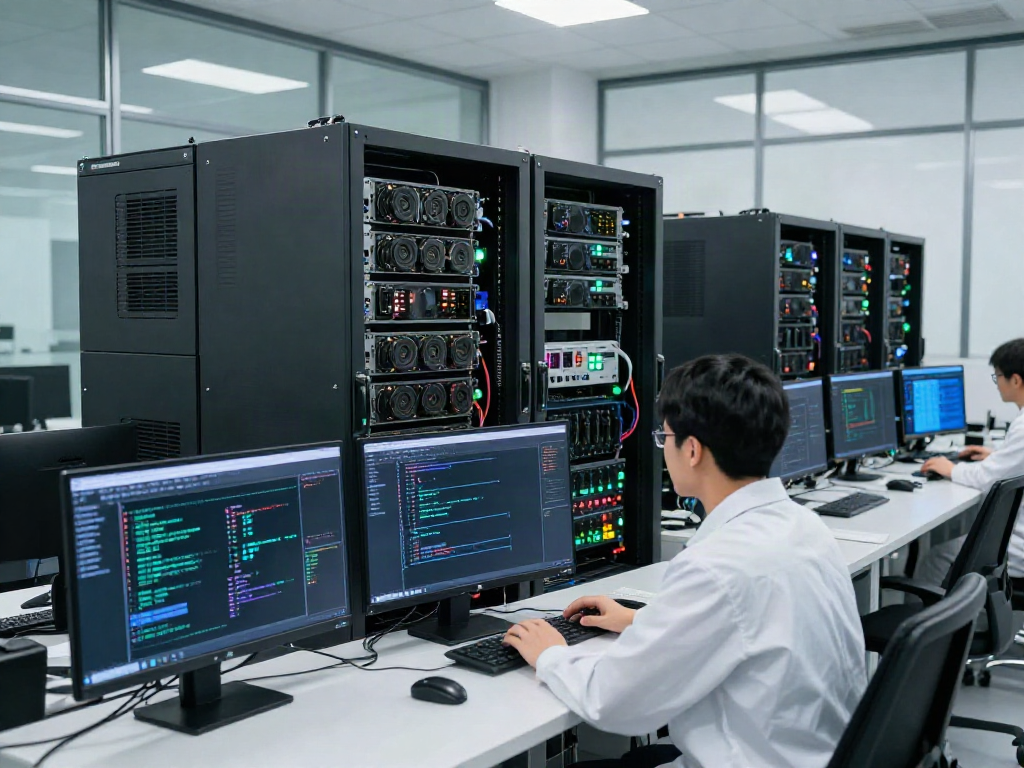
Understanding Business IT Support Services
The Essence of IT Support
In today's digitally driven world, businesses rely heavily on technology to operate efficiently and effectively. IT support encompasses a range of services designed to help organizations manage their technology infrastructure seamlessly. From troubleshooting technical issues to maintaining and upgrading systems, effective IT support ensures that your business operations are not disrupted. Additionally, investing in business it support services can significantly enhance your company’s productivity and responsiveness.
Key Components of Effective Support
Effective IT support consists of several key components, including:
- Help Desk Services: A frontline support team that addresses user issues and queries promptly.
- Network Management: Monitoring and maintaining network infrastructure to ensure connectivity and reliability.
- Data Recovery and Backup Solutions: Ensuring that critical data is backed up regularly and can be recovered promptly in emergencies.
- Hardware and Software Management: Regular upgrades and maintenance of IT assets to align with business growth and technological advancements.
- Cybersecurity Solutions: Protecting IT systems from cyber threats through vigilant monitoring, threat detection, and incident response.
Benefits of Professional IT Services
Integrating professional IT support services into your organization comes with a myriad of benefits:
- Increased Efficiency: Professional IT assistance ensures that systems are optimized for performance, reducing downtime significantly.
- Cost-Effectiveness: Outsourcing IT services can often be more economical than maintaining an in-house team, allowing you to allocate resources to core business functions.
- Access to Expertise: Leveraging expert knowledge and skills that may be lacking internally boosts your technology management capabilities.
- Scalability: Professional IT services can be tailored to meet your organizational needs as you grow, adapting support levels and services accordingly.
- Focus on Core Business: With reliable IT support, businesses can channel their focus on strategic initiatives rather than getting bogged down by technical issues.
Common Challenges in IT Support
Identifying Issues Before They Escalate
One of the foremost challenges in IT support is the inability to identify and resolve issues before they escalate into serious problems. Keeping a vigilant eye on system performance, identifying anomalies, and responding proactively can mitigate risks. Regular monitoring and reporting tools can aid in detecting issues early on.
Real-Time Problem Solving Strategies
In the realm of IT support, time is often of the essence. Having real-time problem-solving strategies in place can create a robust support framework. This includes:
- Utilizing automated diagnostic tools that can quickly identify and resolve common issues.
- Implementing a tiered support system that allows more complex issues to be escalated efficiently.
- Facilitating continuous communication channels between support teams and users, ensuring that updates are provided as issues are resolved.
Impact on Business Continuity
The impact of poor IT support on business continuity can be significant. Disruptions can lead to loss of productivity, revenue, and ultimately, customer trust. Creating a strategic plan that includes disaster recovery and incident response protocols ensures that your business can maintain operations even during unforeseen circumstances.
Implementing Business IT Support Services
Assessment of IT Needs
The implementation of effective IT support services begins with a thorough assessment of your organization’s IT needs. This typically involves:
- Evaluating existing systems and infrastructure.
- Identifying pain points and areas that require improvement.
- Establishing clear objectives and expectations for IT performance.
Selecting the Right Support Levels
Once the assessment is complete, businesses must choose the right levels of support based on their specific needs. Options may include:
- On-demand support: For businesses with sporadic IT needs.
- Managed IT services: For those looking for comprehensive support on a regular basis.
- Specialized services: Such as cybersecurity or cloud services that require specific expertise.
Integration with Existing Systems
Integrating new IT support services with existing systems is crucial for smooth functioning. This requires careful planning to ensure compatibility and minimize disruptions. Strategies may include:
- Conducting compatibility tests before implementation.
- Training staff to familiarize them with new systems and processes.
- Establishing clear communication during the transition to mitigate resistance to change.
Performance Metrics for IT Support
Measuring Success Rates
Assessing performance metrics is vital for understanding the effectiveness of IT support services. Key performance indicators (KPIs) may include:
- Response and resolution times for support tickets.
- User satisfaction ratings from surveys.
- System uptime percentages and incidences of downtime.
Feedback and Continuous Improvement
Regular feedback from users can help improve IT support services. Establish processes for gathering feedback through surveys or direct communication, and utilize these insights to refine IT support strategies continuously.
Adapting to Technology Trends
The world of technology is constantly evolving, and IT support must adapt accordingly. Staying abreast of trends such as cloud computing, artificial intelligence, and remote work technologies will ensure that your IT support services remain relevant and effective in meeting modern business challenges.
Frequently Asked Questions (FAQs)
What is the role of IT support in businesses?
IT support manages technology resources, troubleshoots issues, and ensures systems run smoothly, enhancing productivity.
How can business IT support services improve productivity?
By minimizing downtime, providing quick solutions to technology issues, and streamlining IT processes, productivity is significantly boosted.
What are the costs associated with IT support?
Costs vary based on service levels, complexity, and business needs; investing in quality IT support typically yields a high return on investment.
How often should businesses evaluate their IT support?
Regular evaluations, at least annually, help ensure IT support aligns with business growth and technological advancements.
What are the signs I need better IT support?
Frequent downtime, slow systems, unresolved issues, and employee frustrations are signs that it's time to enhance your IT support services.
Connection Technologies Contact Information
Head Office Address:Fareham Innovation Centre, Merlin House, 4 Meteor Way, Fareham, Lee-on-the-Solent, PO13 9FU, United KingdomEmail Us:[email protected]Email Us:[email protected]Email Us:[email protected]Email Us:[email protected]Phone Number:0333 015 2615Opening Hours:Monday To Thursday: 9:00 AM To 5:30 PMOpening Hours:Friday: 9:00 AM To 4:30 PM