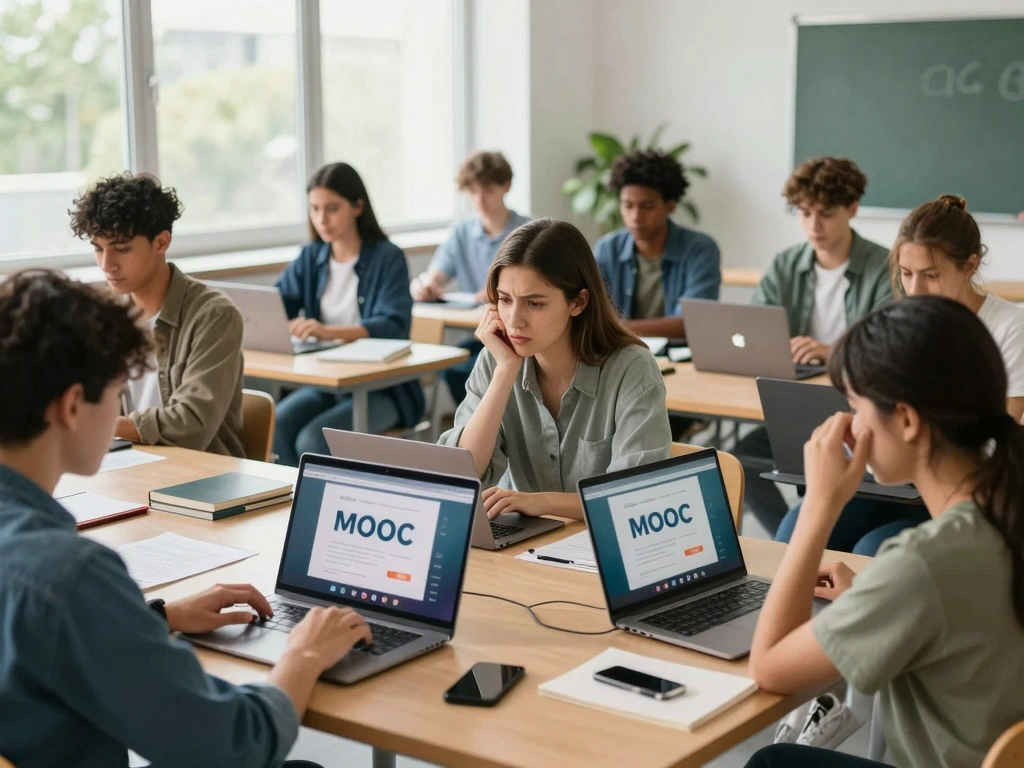
Understanding Contractor Continuing Education California
In California, contractor continuing education is essential for maintaining licenses and adapting to the ever-changing building and construction industry. Continuous learning not only helps contractors stay compliant with state regulations but also enhances their skills and knowledge, allowing them to provide better services to clients. By engaging in ongoing education, contractors can navigate challenges and improve their business operations. For more information on the significance and structure of this education, check out contractor continuing education california.
Importance of Ongoing Learning
The construction industry is constantly evolving due to advancements in technology, new regulations, and changing building codes. Ongoing education ensures that contractors remain informed about these developments, ultimately benefiting their work and their clients. With updated knowledge, contractors can implement modern practices, use innovative materials, and adopt sustainable methods, thus enhancing their reputation in a competitive marketplace.
Moreover, the world of contracts and legal obligations is complex. Continuous education equips contractors with the know-how to navigate potential legal issues, thereby minimizing risks associated with non-compliance or misunderstanding contractual obligations. This can lead to smoother project execution and a reduced likelihood of costly disputes.
Regulations Affecting Continuing Education
In California, the Contractors State License Board (CSLB) dictates the regulatory framework for continuing education requirements. Specific guidelines vary depending on the contractor's license classification, but generally, contractors are required to complete courses related to safety practices, legal updates, and business management. Failure to comply with these regulations can result in penalties, including fines or license suspension.
Contractors must be proactive about their educational responsibilities. It involves not just understanding state regulations but also being aware of local ordinances that may impact their work. Thus, familiarity with the regulatory landscape is a critical component of contractor continuing education.
Identifying Quality Programs
When seeking continuing education programs, contractors should prioritize accredited institutions and reputable organizations. Quality programs often provide up-to-date material and instruction by experienced professionals. Contractors can explore options provided by various trade associations, online platforms, and community colleges, ensuring the course content is relevant to their specific business needs.
Additionally, reviews and testimonials can be instrumental in assessing the effectiveness of a program. Engaging with peers or mentors to gain recommendations can significantly enhance the search for suitable educational opportunities.
Core Requirements for Educators
Licensing and Accreditation
For continuing education courses to be credible and effective, educators must hold the necessary licenses and accreditations. This credentialing assures contractors that they are learning from qualified individuals who possess extensive knowledge in the field. Accreditation ensures the program meets established standards, which is vital for the advancement of contractor skills and knowledge.
Content Relevance and Quality
The content delivered in continuing education programs must be relevant to current practices and trends in the construction industry. Quality programs update their materials regularly to reflect changes in laws, technology, and customer expectations. Educators should strive to incorporate case studies, practical examples, and hands-on projects into their courses, allowing contractors to engage with the material effectively.
Engaging Learning Methods
Effective continuing education programs utilize a range of engaging learning methods. Lectures and reading materials should be complemented with interactive elements such as group discussions, role-playing, and real-world simulations. This multifaceted approach caters to different learning styles and helps reinforce concepts, making the learning experience more enjoyable and impactful.
Effective Learning Methods
Online vs. In-Person Training
In today’s digital age, online training has become a popular choice for many contractors. Online courses offer flexibility and allow learners to study at their own pace. Many recognize the convenience of accessing quality educational resources without the constraints of a structured classroom environment.
However, in-person training offers unique advantages, such as immediate feedback and networking opportunities. Live interaction with instructors allows for a deeper understanding of complex topics and fosters collaboration among peers. Determining the right approach depends on the contractor’s learning preferences and the specific course objectives.
Hands-On Workshops
Hands-on workshops are an essential component of effective contractor continuing education. They provide an opportunity to apply theoretical knowledge in practical scenarios, enhancing retention and understanding. For instance, workshops focused on new technology or tools enable contractors to experience firsthand how to implement these advancements in their projects effectively.
Utilizing Technology for Enhanced Learning
Technology plays a significant role in modern education, including contractor continuing education. Utilizing various digital platforms, contractors can access webinars, virtual labs, and interactive simulation tools. Incorporating augmented reality (AR) or virtual reality (VR) can also lead to immersive learning experiences. For example, VR can simulate real-world construction environments, helping contractors learn about safety practices without the associated risks.
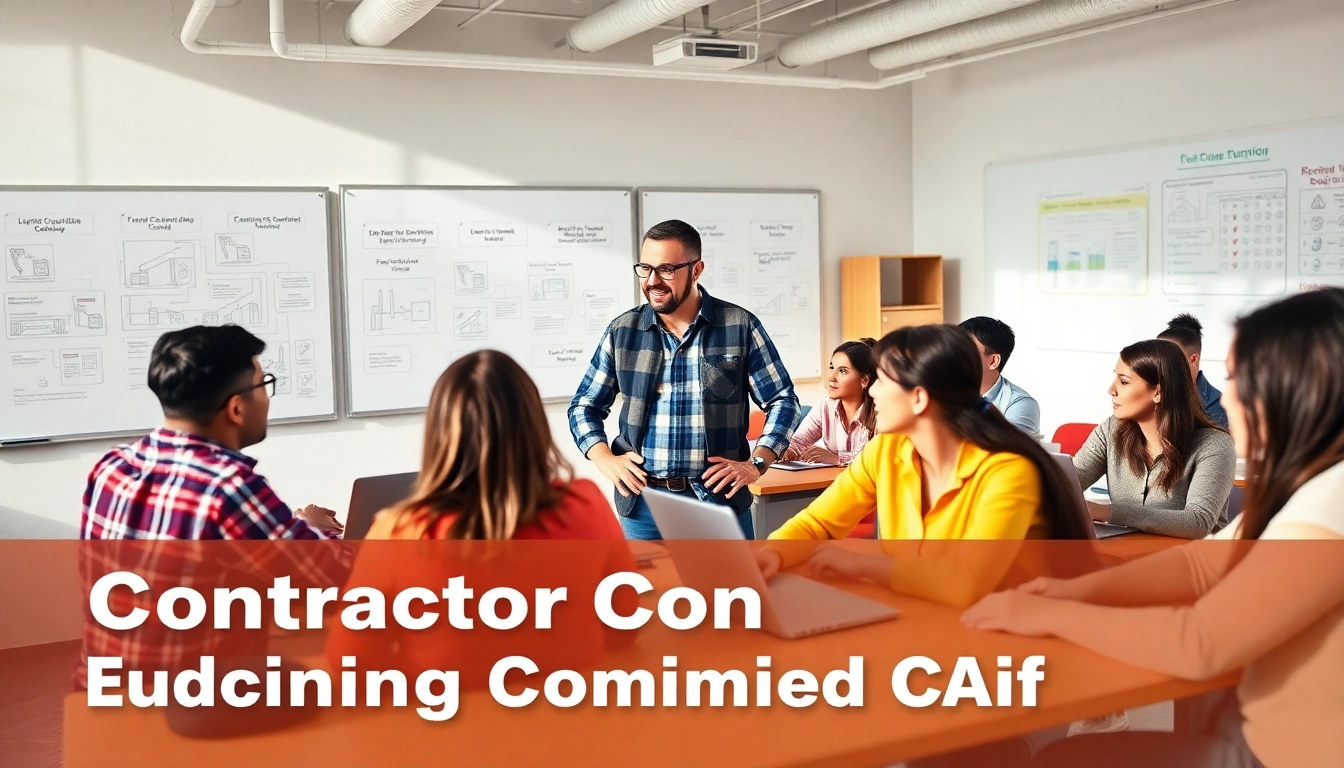
Navigating Challenges in Continuing Education
Overcoming Time Constraints
One of the common challenges contractors face is finding time for continuing education amidst their busy schedules. To overcome this, it’s crucial to integrate learning into daily routines by setting aside dedicated time for educational activities or utilizing online courses that allow for learning at one’s own pace. Prioritizing education and viewing it as an investment in the business can help motivate contractors to pursue ongoing learning.
Accessing Financial Aid and Resources
Finances can also pose a barrier to pursuing continuing education. Many contractors might not be aware of available financial aid options, grants, or reimbursement programs from employers. Researching local and state resources can reveal opportunities to alleviate financial burdens associated with education. Additionally, many educational programs offer flexible payment plans to help manage costs.
Staying Motivated in Continuous Learning
Maintaining motivation for ongoing education can be challenging for contractors. Setting specific goals can significantly enhance motivation levels. For example, acquiring new certifications or mastering new technology can serve as tangible targets for contractors. Sharing progress with peers and celebrating milestones can also provide a support system, encouraging a continuous journey of learning.
Measuring Success and Impact
Assessment Techniques and Feedback
Measuring the success of continuing education initiatives is vital for determining their effectiveness. Utilizing various assessment techniques, such as quizzes, projects, and peer reviews, provides valuable feedback on knowledge gained. Additionally, soliciting input from participants about the training methodology can help educators improve future courses.
Tracking Career Advancement
Contractors should track their career progression following their continuing education endeavors. Metrics such as increased job opportunities, promotions, or higher client satisfaction ratings can indicate the impact of educational programs. Regular self-assessments and personal development planning can help contractors recognize how their learning has practically applied to their careers.
Long-Term Benefits of Continuing Education
The long-term benefits of contractor continuing education extend beyond compliance and skill enhancement. Continual learning fosters a culture of innovation, ensuring that contractors remain relevant within the industry. This ongoing professional development can lead to improved business performance, increased profitability, and a solid reputation for quality and expertise in the construction field.
Frequently Asked Questions
What are the basic requirements for contractor continuing education in California?
Contractors are generally required to complete a certain number of hours in relevant courses, focusing on safety, business practices, and legal updates to maintain their licenses.
How can I find approved continuing education programs?
Approved programs can be found through the Contractors State License Board (CSLB) website or by checking with local trade associations and educational institutions.
Are online courses as effective as in-person training?
Online courses offer flexibility and convenience, while in-person training facilitates interaction and hands-on experience. Both methods can be effective, depending on the learner's needs.
What costs are usually associated with continuing education?
Costs can vary widely based on the format and institution. Many programs also offer financial aid or payment plans to help manage expenses.
How do I measure the effectiveness of my continuing education?
Effectiveness can be measured through assessment techniques, career advancements, and feedback from course evaluations, showcasing the impact on skills and knowledge.