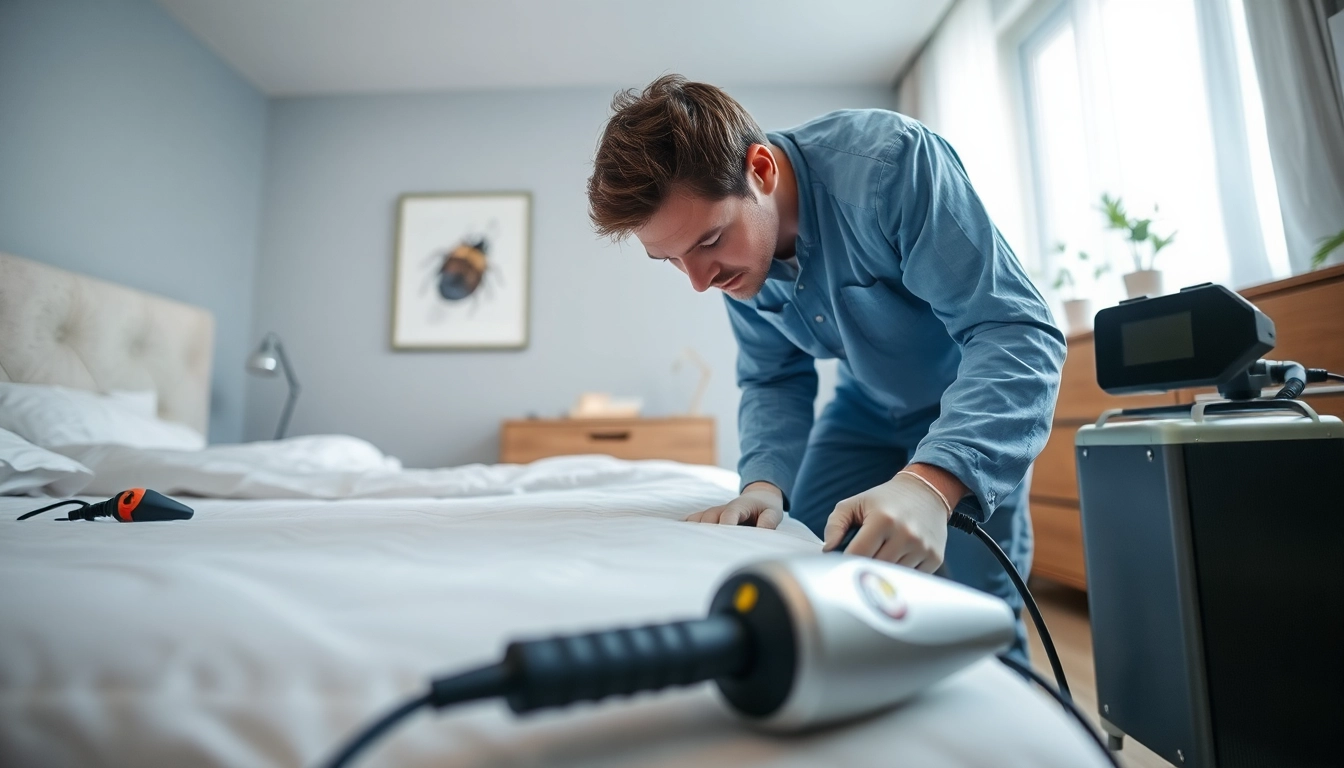
Understanding Bed Bug Heat Treatment
What Is Bed Bug Heat Treatment?
Bed bug heat treatment is a pest control method that involves subjecting affected areas to high temperatures in order to eradicate bed bug infestations effectively. This approach works by raising the ambient temperature in infested locations to a level that is lethal for all life stages of bed bugs, including adults, nymphs, and eggs. The typical temperature range for effective treatment is between 120°F to 140°F (49°C to 60°C). The treatment is considered an eco-friendly and non-toxic alternative to chemical treatments, making it a popular choice for homeowners seeking to eliminate bed bugs. For those struggling with these pests, understanding the bed bug heat treatment process is crucial.
How Does Heat Treatment Work?
Heat treatment operates on the principle of thermal death - meaning extreme temperatures can effectively kill bed bugs upon exposure. When heated to the core temperature, bed bugs lose their ability to reproduce, and their cellular functions cease, leading to death. In a typical treatment, the heating process encompasses the entire infested area, including furnishings, carpets, and wall spaces. Deploying specialized heating equipment, professionals elevate the temperature and ensure consistent heat distribution. This thoroughness is critical since even a few overlooked larvae or eggs can lead to a resurgence of the infestation.
Benefits of Bed Bug Heat Treatment
Bed bug heat treatment offers numerous benefits:
- Non-Toxic Solution: Unlike chemical pesticides, heat treatment is safe for humans and pets when done properly.
- Comprehensive Pest Eradication: It kills all life stages of bed bugs, reducing the chance of new infestations.
- Quick Resolution: Treatments usually only take a few hours, allowing for rapid return to the treated areas.
- Minimal Residue: There is no need to worry about chemical remnants on surfaces after treatment.
- Effectiveness in Furniture: Because heat penetrates furniture, it is effective even in hard-to-reach places.
Preparing for Bed Bug Heat Treatment
Steps to Prepare Your Home
Before the treatment, adequate preparation is vital to ensure effectiveness. Follow these steps:
- Remove all items from the treated area, including clothing, bedding, and personal belongings, to prevent damage and ensure even heat distribution.
- Vacuuming the area helps eliminate visible pests and their eggs, making the heat treatment more successful.
- Seal or bag items that cannot be washed, such as shoes or non-washable fabrics, to protect against any potential bed bugs.
- Clear pathways to furniture and other objects to allow technicians unobstructed access during the treatment.
Items to Remove Before Treatment
To maximize the effectiveness of the treatment, consider removing or securing the following items:
- All bedding and linens - these can be washed and dried at high temperatures.
- Clothes - ideally, wash and dry on high heat before treatment.
- Food items - remove or seal any food products to avoid contamination.
- Plants and perishable items - these can suffer from heat exposure.
Safety Measures to Consider
Safety is a priority during heat treatment. Ensure the following measures are in place:
- Have a professional technician conduct the treatment to avoid risks associated with improper equipment use.
- Ensure the area is vacated during treatment to prevent adverse health effects from heat exposure.
- Confirm that heat-sensitive electronics and art are removed or protected to prevent damage.
Executing the Bed Bug Heat Treatment
Equipment Used in Heat Treatment
Various components are involved in the execution of heat treatment, including:
- Electric Heaters: High-capacity heaters that maintain the necessary temperature for maximum efficiency.
- Thermal Monitors: Instruments used to ensure consistent temperatures throughout the treatment area.
- Fans: Used to circulate hot air evenly across the room.
Duration of Heat Treatment Process
The entire heat treatment process typically lasts between 6 to 8 hours, depending on the severity of the infestation and the size of the area being treated. Technicians will monitor temperatures throughout the process, ensuring that they remain within the lethal range for bed bugs.
What to Expect During Treatment
During the treatment, expect to see heaters set up throughout your home, generating a significant amount of heat. The technicians will periodically check temperature levels to maintain effectiveness. It’s important to maintain distance during this time for safety reasons.
Post Treatment: Steps to Ensure Effectiveness
How to Maintain Pest-Free Environment
After the heat treatment is complete, implementing maintenance practices can help sustain a pest-free environment:
- Regularly vacuum and clean spaces to eliminate any potential hitchhikers.
- Inspect second-hand items before bringing them into your home.
- Seal any cracks or crevices in walls, floors, and furniture to eliminate potential hiding places for bed bugs.
Signs of Successful Bed Bug Heat Treatment
To gauge the success of your treatment, keep an eye out for:
- The absence of bite marks or itchy welts on your skin.
- No sight of live bugs after 7-10 days post-treatment.
- Decreased detection of droppings or shed skins in the area.
When to Schedule Follow-up Inspections
It's advisable to schedule follow-up inspections about 2 weeks post-treatment to ensure that the bed bugs have been entirely eradicated. Regular check-ups every few months can help in maintaining a bed bug-free home.
Answering Your Questions About Bed Bug Heat Treatment
Common Misconceptions About Heat Treatment
A prevalent myth suggests that heat treatment can damage homes and items; however, when conducted correctly by professionals, it’s both safe and effective. Additionally, some believe that heat treatment alone may not resolve a serious infestation, but its efficiency, when combined with preventive measures, is significant.
Cost Factors of Bed Bug Heat Treatment
Cost can vary widely based on the size of the area being treated, the extent of the infestation, and the location. Generally, prices range from $1,500 to $2,500 for comprehensive treatments. Investment in professional heat treatment may save money by preventing future infestations.
DIY vs. Professional Heat Treatment Solutions
While DIY heat treatment is possible, the risk of improper execution is high. Professional services ensure that appropriate equipment and techniques are applied, guaranteeing that all bugs are effectively eliminated. It's recommended to rely on professionals for peace of mind and optimal results.
Frequently Asked Questions
1. What is the ideal temperature for bed bug heat treatment?
The ideal temperature for effective bed bug heat treatment is typically between 120°F to 140°F (49°C to 60°C) to ensure all life stages are eradicated.
2. How long does heat treatment last?
A single heat treatment session usually lasts around 6 to 8 hours, depending on the extent of the infestation and the size of the treated area.
3. Is heat treatment safe for pets and children?
Yes, bed bug heat treatment is non-toxic and safe for children and pets when carried out by professional technicians.
4. Can heat treatment be done by homeowners?
While it's possible, DIY heat treatment is risky; professional services are recommended to ensure effective and safe implementation.
5. How can I prevent future infestations after treatment?
To prevent future infestations, regularly inspect second-hand items, maintain cleanliness, and seal any cracks or crevices in your living space.