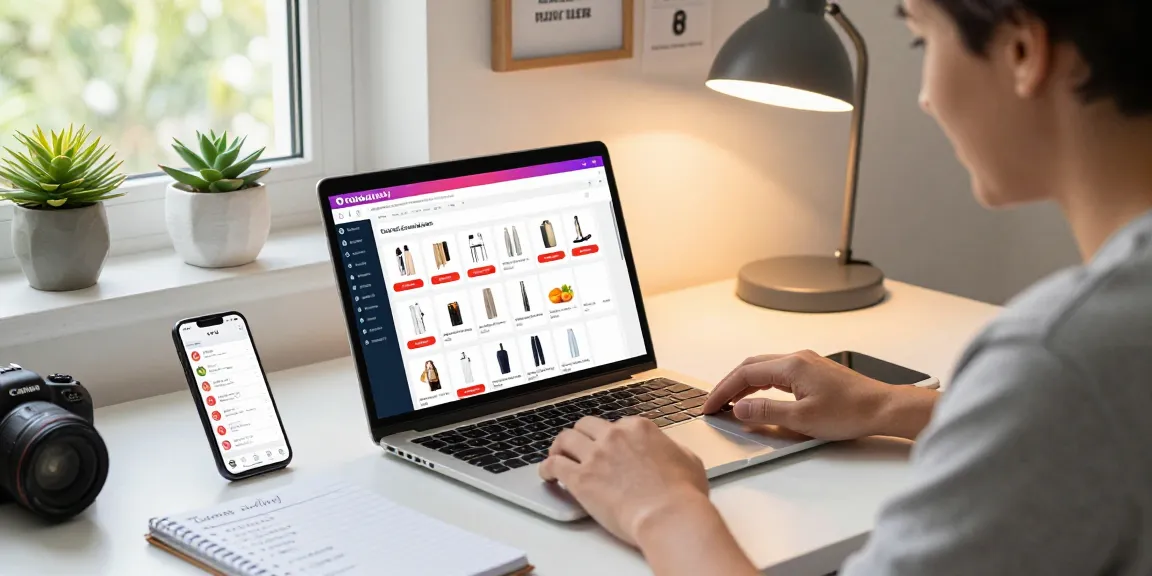
Understanding Shopify Website Development Services
What Are Shopify Website Development Services?
Shopify website development services encompass a wide range of specialized activities designed to help businesses establish and maintain their online presence using the Shopify platform. These services include the creation of e-commerce websites, customization of existing themes, and the integration of various tools and applications to enhance functionality. Developers with experience in Shopify can navigate the intricacies of the platform to create a seamless shopping experience that aligns with the unique needs of each business. Comprehensive Shopify website development services often cover aspects such as user interface design, backend development, and performance optimization. They also include ongoing maintenance, security updates, and customer support activities to ensure the store operates smoothly over time.
Benefits of Using Shopify for E-commerce
Utilizing Shopify for e-commerce offers several significant advantages, making it one of the preferred platforms for online retailers. Here are some key benefits:
- User-Friendly Interface: Shopify features an intuitive interface that allows even those with minimal technical skills to build and manage their online stores efficiently.
- Security: With built-in SSL certification, Shopify provides a secure shopping environment for customers, ensuring that sensitive data is protected.
- Mobile Optimization: Shopify’s responsive design ensures that your website looks and functions well on mobile devices, which is essential given the increase in mobile shopping.
- Scalability: Shopify is designed to grow with your business, offering various plans and features that can accommodate everything from small businesses to large enterprises.
- Rich App Ecosystem: The platform supports a wide variety of apps that can add enhanced functionality, such as SEO tools, analytics, and social media integrations.
Key Features of Shopify Development Services
When looking into Shopify development services, several standout features make the process of creating an online store more effective and aligned with business goals. Some of these features include:
- Custom Theme Development: Developers can create unique themes that reflect the brand identity and cater to specific customer needs.
- Coding and Programming: Custom code and integrations are possible, allowing businesses to implement unique functionalities that set them apart from competitors.
- SEO and Marketing Integrations: Expert developers ensure that the store is optimized for search engines, enhancing visibility and attracting more visitors.
- Analytics and Reporting: Implementation of analytics tools to track store performance and customer behavior, facilitating informed decision-making.
- Regular Maintenance and Support: Ongoing help is crucial for updates, bug fixes, and ensuring optimal performance at all times.
Choosing the Right Shopify Website Development Partner
Criteria for Selecting a Development Team
Selecting the right partner for your Shopify development project is crucial to your success. Identifying the right team involves assessing several key criteria:
- Experience With Shopify: Ensure the team has a solid track record in Shopify development, including previous successful projects.
- Portfolio Quality: Review their portfolio to see the diversity of their work and whether it aligns with your vision.
- Client Testimonials: Positive feedback from previous clients can offer valuable insights into the team's reliability and professionalism.
- Technical Skills: Assess their technical understanding, especially regarding the latest trends in e-commerce and web development.
- Post-Launch Support: A good development partner should offer ongoing support after launch to help with maintenance and troubleshooting.
Questions to Ask Potential Developers
When interviewing potential Shopify development teams, consider asking the following questions to assess their fit for your project:
- What experience do you have with Shopify development, and can you share examples of past work?
- How do you approach the customization process to ensure it aligns with our brand?
- What is your process for ensuring website security and data protection?
- How do you handle updates and maintenance post-launch?
- What strategies do you use for SEO and online marketing integration?
Assessing Portfolio and Experience
Reviewing the portfolio of a potential development partner is vital. A strong portfolio should showcase:
- Diversity in design styles and functionalities to cater to various types of e-commerce businesses.
- Notable projects that demonstrate their capability to solve complex challenges.
- Case studies highlighting the outcomes of their projects, including metrics like conversion rate enhancements or revenue growth.
Additionally, consider their years of experience in the industry and familiarity with various Shopify tools and integrations.
Customizing Your Shopify Store
Design Options for Unique Brand Identity
Customizing the design of your Shopify store is essential in establishing a distinct brand identity. Here are some popular design options:
- Custom Themes: Develop unique themes rather than relying on pre-made templates. This allows for an exclusive look that reflects your brand vision.
- Brand Colors and Typography: Utilize brand colors and typography to create a cohesive experience that resonates with your target audience.
- Interactive Design Elements: Incorporate interactive elements such as animations or hover effects to enhance user engagement.
- Product Display Customizations: Design product pages that maximize visual appeal and provide essential product information effectively.
Integrating Apps for Enhanced Functionality
Enhanced functionality is vital for improving user experience and operational efficiency. Here’s how to achieve this through app integration:
- Payment Gateways: Choose appropriate payment gateways that offer flexibility and security for your customers.
- Inventory Management Tools: Implement apps that aid in inventory tracking to prevent stock outages and overages.
- Social Media Integration: Enable seamless integration with social media platforms to expand reach and engage customers.
- Email Marketing Solutions: Use apps to create and manage effective email campaigns that drive traffic and sales.
Steps for a Successful Customization Process
A successful customization process involves several key steps:
- Define Your Brand Vision: Clearly articulate your brand message and aesthetics before beginning the design process.
- Choose the Right Development Team: Engage with developers whose expertise aligns with your specific needs.
- Create Mockups: Develop design mockups to visualize the website layout and functionality before full implementation.
- Iterative Review and Feedback: Engage in an iterative review process that allows for input and adjustments throughout the development.
- Testing and Launch: Conduct comprehensive testing to ensure all functionalities work as intended before launching the site.
Common Challenges in Shopify Website Development
Addressing Technical Issues
Technical issues can arise at any stage of Shopify development. Some common problems include theme breaks after updates, integration failures, or site speed issues. To address them:
- Regularly update themes and apps and seek immediate support if issues arise.
- Use expert developers familiar with troubleshooting Shopify to quickly resolve glitches and bugs.
- Test all integrations thoroughly to ensure compatibility and smooth operation.
Balancing Design and Functionality
Striking a balance between aesthetic appeal and functionality is a common challenge in e-commerce development. Here are strategies to help:
- Prioritize usability in the design process, making navigation straightforward for users.
- Use data analytics to understand user behavior and adjust designs to enhance functionality.
- Regularly seek feedback from users to identify areas where design can better serve functionality.
Ensuring Mobile Responsiveness
With a significant proportion of online shopping done on mobile devices, ensuring that your Shopify store is mobile-responsive is critical. Consider these recommendations:
- Utilize Shopify’s responsive themes or custom designs that adapt seamlessly to different screen sizes.
- Conduct regular testing on various devices to ensure performance is consistent across platforms.
- Optimize images and content for faster loading times on mobile without losing quality.
Measuring the Success of Your Shopify Store
Key Performance Indicators to Track
To determine the success of your Shopify store, tracking key performance indicators (KPIs) is crucial. Important KPIs to monitor include:
- Sales Conversion Rate: Measure the percentage of visitors who make a purchase.
- Average Order Value: Keep track of how much, on average, customers are spending per transaction.
- Traffic Sources: Analyze where your traffic is coming from to identify the most effective marketing channels.
- Cart Abandonment Rate: Monitor how many customers are leaving the site without completing a purchase.
Using Analytics Tools for Insights
Leveraging analytics tools can provide invaluable insights into store performance. Some effective analytics tools include:
- Google Analytics: This tool offers comprehensive data on traffic, user behavior, and conversion metrics.
- Shopify Analytics: Enjoy a suite of built-in analytics tools that provide insights specifically designed for e-commerce performance.
- Heat Maps: Implement heat mapping tools to visualize where users click and how they navigate your site.
Strategies for Continuous Improvement
Continuous improvement is vital for sustaining growth and success. Here are strategies to adopt:
- Regularly review analytics data to pinpoint areas that need enhancement.
- Test new marketing strategies and assess their effectiveness thoroughly.
- Stay updated with the latest e-commerce trends to ensure your store remains competitive.
FAQs
What types of businesses benefit from Shopify website development services?
All types of businesses, from small startups to large enterprises, can benefit from Shopify services, especially those focused on e-commerce.
How long does it take to develop a Shopify store?
The duration depends on the complexity of the store but typically ranges from a few weeks to several months for complete setups.
Can I customize my Shopify website after development?
Yes, Shopify allows for ongoing customization, enabling you to add features, change designs, and integrate new applications as needed.
Are there specific costs associated with Shopify development?
Costs vary based on the complexity of the project, the level of customization, and the rates of the development team you choose.
Do I need technical skills to manage a Shopify store?
No, Shopify's user-friendly interface is designed for users of all skill levels, allowing efficient management without extensive technical knowledge.