Understanding Cosmetic Contract Packaging
What is Cosmetic Contract Packaging?
Cosmetic contract packaging is the process where a business outsources its packaging needs for cosmetic products to specialized firms. This arrangement allows brands to focus on their core competencies—such as product development and marketing—while ensuring their products are packaged and prepared for sale in a way that reflects their brand values and meets regulatory standards. By leveraging the expertise and machinery of contract packaging companies, a brand can maintain high-quality packaging while optimizing costs and time.
Why is it Important for Your Brand?
Cosmetic contract packaging is vital for brands aiming to compete in a saturated market. It provides access to advanced technologies, which can be costly for a brand to maintain in-house. Moreover, proper packaging enhances brand identity, as it is often the first point of interaction with consumers. Effective packaging not only ensures product safety and compliance but also significantly influences customer purchasing decisions. By utilizing cosmetic contract packaging, brands can project professionalism and commitment to quality in their product offerings.
Common Types of Packaging Options
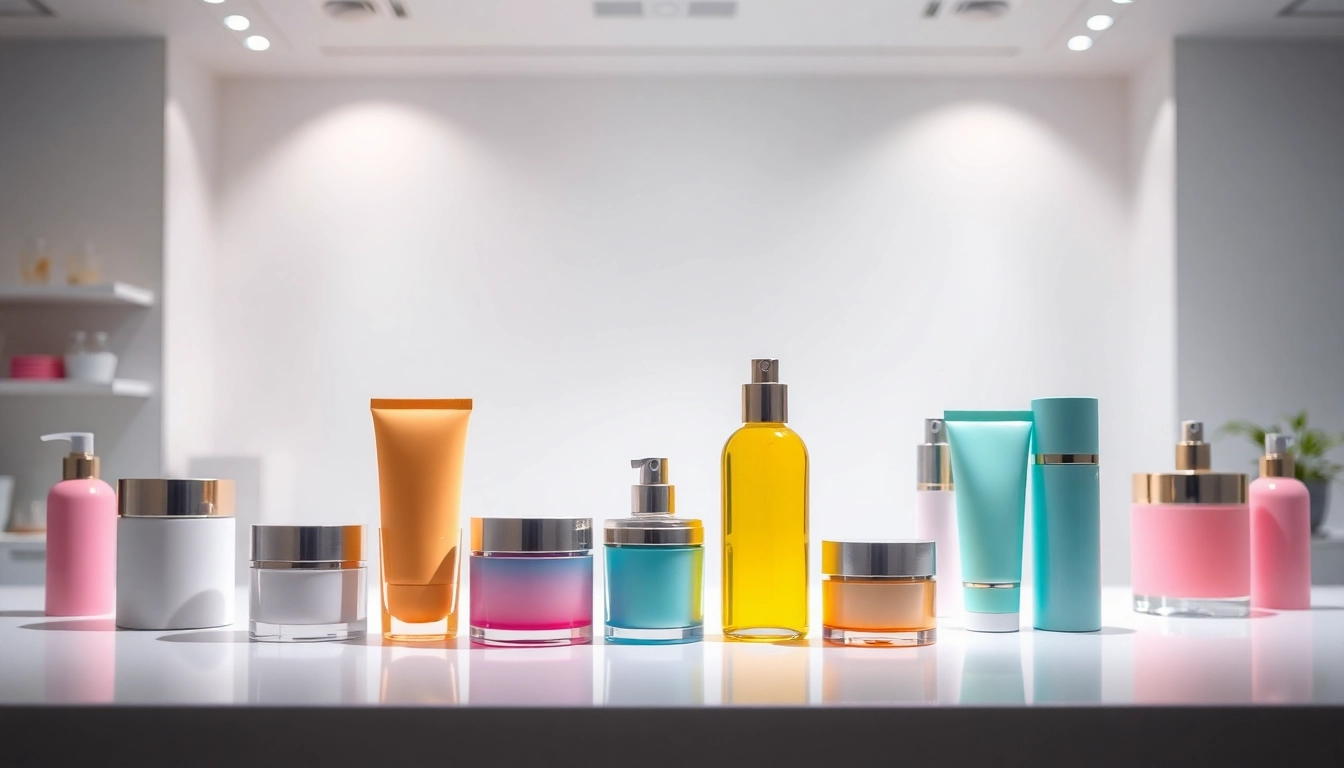
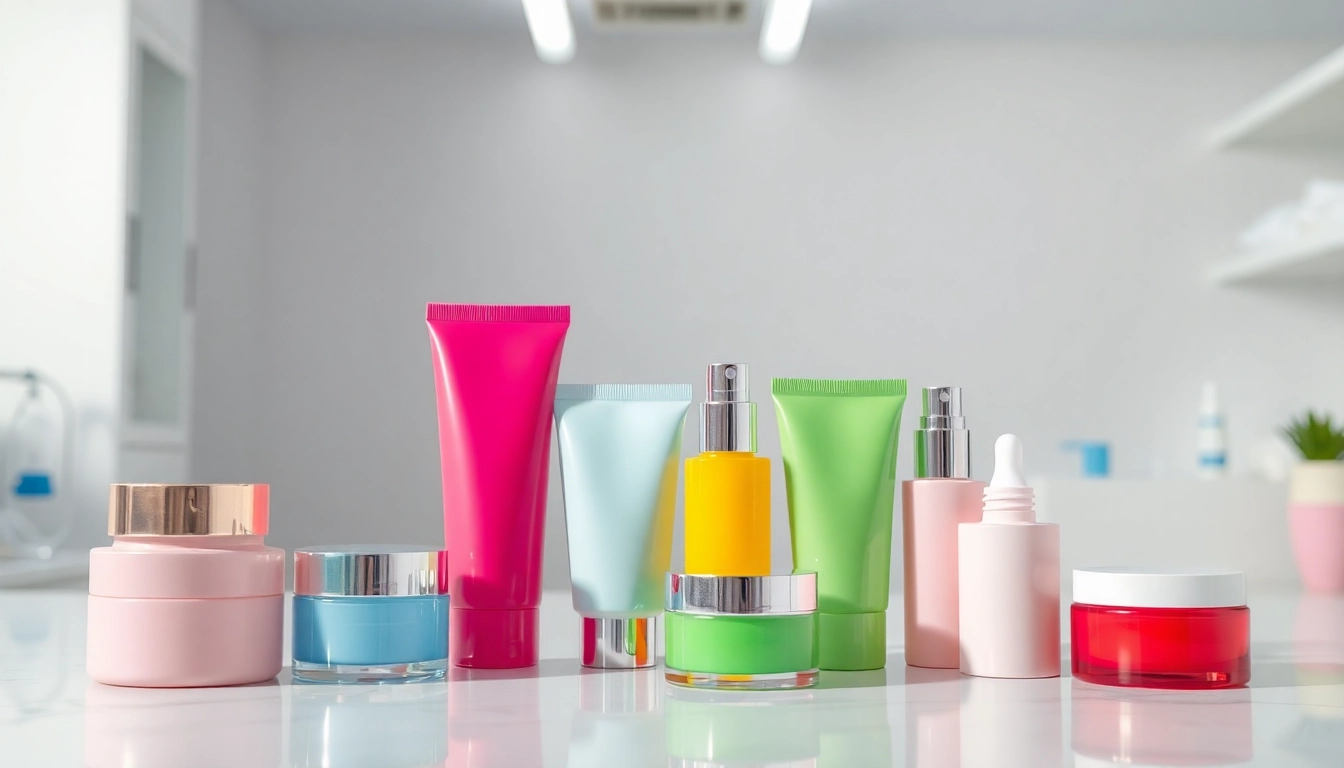
There are various options available for cosmetic contract packaging, each tailored to specific product types and brand requirements. Some common packaging solutions include:
- Tubes: Ideal for creams, lotions, and gels. They are user-friendly and provide excellent product protection.
- Jars: Often used for thick products like creams or pastes, providing an upscale presentation that is highly appealing to consumers.
- Bottles: Versatile for liquids, offering choices in materials such as glass or plastic.
- Pouches: Lightweight and cost-effective, perfect for single-use items or samples.
- Custom Blisters: Offer distinctive shapes and sizes, enhancing product visibility while ensuring the product remains sealed and protected.
Benefits of Cosmetic Contract Packaging
Cost-Effectiveness for Emerging Brands
For new or small brands, hiring a full-time packaging team can be financially burdensome. Contract packaging offers a cost-effective alternative by reducing overhead costs. Brands can save on equipment, labor, and material costs. Outsourcing packaging allows businesses to allocate resources more efficiently, focusing on growth and brand development instead of packaging logistics.
Customization and Brand Identity
Customization in packaging is vital for standing out in the competitive cosmetics market. Contract packaging services often provide bespoke solutions tailored to specific client needs, allowing brands to leverage unique designs that resonate with their target audience. This individuality enhances brand identity, ensuring products are not only functional but also visually appealing, ultimately leading to better consumer engagement and loyalty.
Quality Control and Compliance Standards
Working with experienced contract packaging providers ensures that your products meet industry regulations and quality standards. These providers typically have established quality control processes to ensure every package is safe, compliant, and of high quality, reducing the risk of costly recalls or legal issues. This level of assurance enables cosmetic brands to confidently market their products, knowing they adhere to all necessary guidelines.
Selecting a Contract Packaging Partner
Key Factors to Consider
Choosing the right contract packaging partner is critical for the success of your product. Here are key factors to consider:
- Experience: Look for a partner with a proven track record in the cosmetics industry to ensure they understand specific requirements and challenges.
- Capabilities: Ensure the provider has the equipment and expertise needed for your type of packaging.
- Scalability: Consider whether the partner can handle your needs now and in the future as your brand grows.
- Reputation: Research client testimonials and case studies to gauge the reliability and service quality of the company.
Evaluating Production Capabilities
Evaluate the technological capabilities of your prospective partner. Advanced machinery often leads to better efficiency, accuracy, and fewer errors in the packaging process. Assess their production capacity to determine if they can manage your production volume consistently, especially during peak seasons. It may also be beneficial to inquire about their ability to integrate innovative packaging methods that align with market trends.
Assessing Client Testimonials and Case Studies
Look for testimonials or case studies that can provide insight into the contractor's reliability, communication efficiency, and quality of service. Review how they have handled challenges and satisfied previous clients. A reputable provider will readily share this information to build trust and credibility. This step reduces the risk involved in your investment and helps you choose a partner aligned with your brand values.
Innovative Trends in Cosmetic Packaging
Sustainable Packaging Solutions
The demand for sustainable products is on the rise, and consumers are increasingly looking for brands that prioritize environmental responsibility. Innovations such as biodegradable materials, recyclable packaging, and refillable containers are gaining traction. Implementing sustainable practices not only attracts eco-conscious consumers but also positions your brand as a leader in social responsibility within the cosmetics industry.
Smart Packaging Technologies
Smart packaging is an emerging trend that leverages technology to enhance user experience. These solutions may include QR codes that provide consumers with product information or augmented reality features that engage users in new and exciting ways. Such innovations add value to the consumer experience and create an interactive relationship between the product and the customer.
Market Insights and Predictions
Understanding market trends can help brands anticipate consumer needs and adjust their packaging strategies accordingly. Consumers are increasingly valuing functionality alongside aesthetics. Brands that incorporate multi-use packaging or innovative dispensing solutions are likely to stand out. Keeping an eye on consumer preferences through market research will allow brands to stay relevant and competitive.
Steps to Implementing Cosmetic Contract Packaging
Creating Your Packaging Brief
A well-defined packaging brief is crucial. This document should outline your product specifications, brand aesthetics, volumes, and compliance needs. Be clear about your budget and timelines, as these factors will guide potential partners in tailoring their proposals. A comprehensive brief streamlines the selection process and minimizes misunderstandings later on.
Timeline and Project Management
Once you've chosen a packaging partner, develop a project timeline that details each phase of the process—from design to production to delivery. Regular updates and communication are essential to keeping the project on track. Be prepared to adapt your plans based on potential delays or unexpected challenges, and maintain open lines of communication with your packaging provider throughout the project.
Measuring Success and Performance Metrics
After implementation, it's vital to measure the success of your packaging strategy. Define clear performance metrics based on consumer feedback, sales performance, and compliance ratings. Understanding which aspects work well and which require adjustment will help you refine your approach for future packaging projects. Consider conducting surveys or focus groups for qualitative feedback from your target audience.
FAQs
What is cosmetic contract packaging?
Cosmetic contract packaging involves outsourcing the packaging process of beauty products to specialized firms, ensuring professional quality and compliance.
How can cosmetic contract packaging benefit my brand?
It can save costs, provide customization options, and enhance product marketability while adhering to industry standards.
What should I look for in a packaging partner?
Focus on their experience, production capabilities, quality control measures, and positive client feedback.
Are there trends in cosmetic packaging I should consider?
Yes, sustainable options and smart technology integration are gaining popularity, enhancing product appeal.
How do I get started with cosmetic contract packaging?
Create a packaging brief outlining your requirements, set a timeline, and select a reliable partner to ensure quality outcomes.