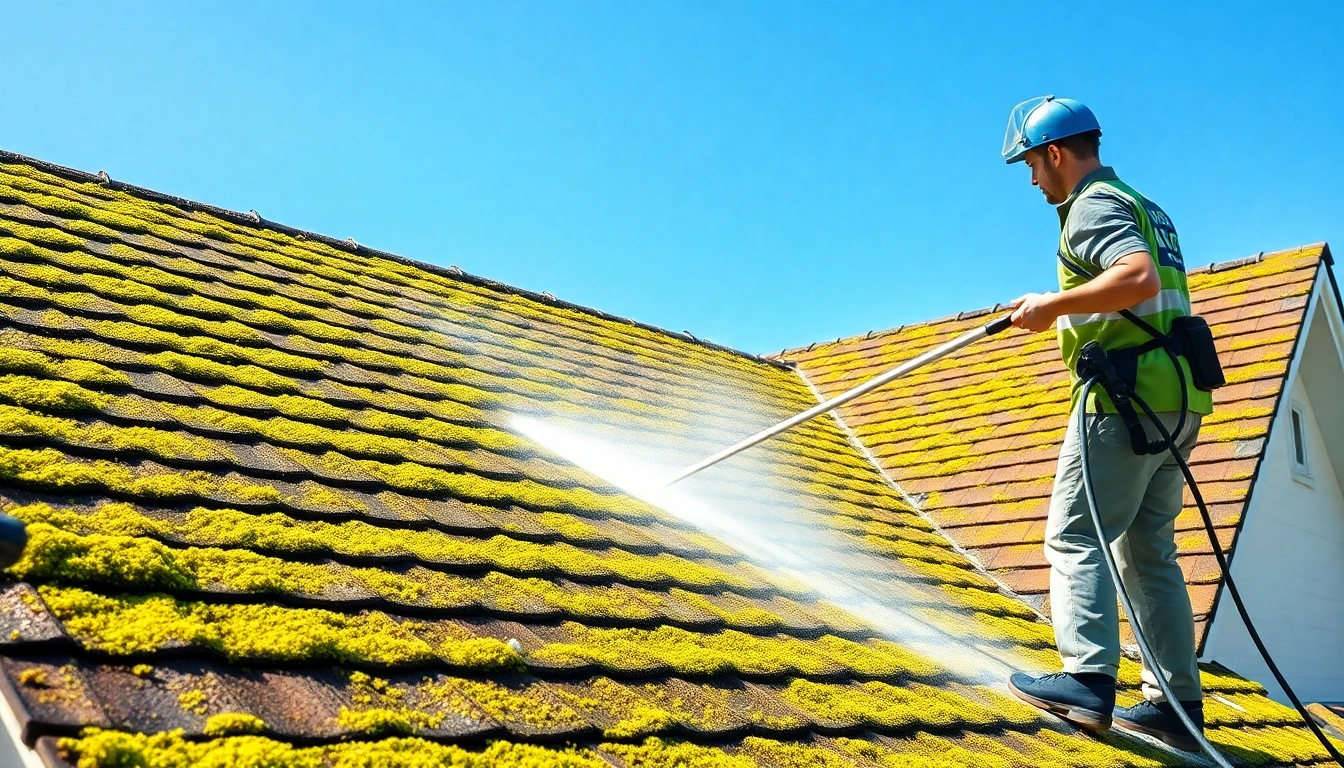
Understanding Roof Cleaning
Roof cleaning is an essential maintenance activity that can dramatically impact the longevity and appearance of your home. In regions where environmental elements like moss, algae, and dirt tend to accumulate on roofs, cleaning is not just a cosmetic improvement; it is a necessary practice to preserve the integrity of the roofing materials. Regular Roof Cleaning helps prevent permanent damage, aids in energy efficiency, and enhances curb appeal.
The Importance of Roof Cleaning
Cleaning your roof is crucial for several reasons. First, it can extend the life of your roofing materials, which may be insured by warranties that expressly state maintenance requirements. Second, a clean roof improves your home’s energy efficiency by reflecting sunlight rather than absorbing it. This can lead to lower energy bills during warmer months. Lastly, from a real estate perspective, maintaining a clean roof can significantly enhance your home's value.
Common Roof Contaminants
Various contaminants often accumulate on roofs, the most prevalent being algae, moss, lichen, and dirt. Algae can create unsightly black streaks on shingles, while moss retains moisture, which can lead to shingle lifting and damage over time. This is especially problematic in areas with high humidity or shaded regions where sunlight is limited. Understanding these contaminants is essential for selecting the appropriate cleaning method.
Recognizing When to Clean Your Roof
Knowing when to clean your roof can prevent extensive damage. Homeowners should be vigilant for signs such as discoloration, moss growth, and debris accumulation. If you notice dark streaks or patches on your roof, it might be time for a cleaning. Additionally, you may want to schedule a professional inspection if you observe any leaks or water damage inside your home, as this might indicate roof issues that need addressing.
Methods of Roof Cleaning
There are several methods available for cleaning roofs, each with its pros and cons. The strategy you choose typically depends on your roofing material, the extent of contamination, and your personal preference for DIY versus professional services.
Low-Pressure Soft Washing Explained
Soft washing is a gentle and highly effective roof cleaning method that utilizes low-pressure water combined with biodegradable cleaning solutions. Ideal for roofs that might be damaged by high pressure, soft washing effectively eradicates contaminants while preserving the integrity of the roofing material. This method has gained immense popularity due to its effectiveness and minimal risk of damage.
High-Pressure Washing Risks
While high-pressure washing can be effective for certain surfaces, it poses significant risks when applied to roofing materials. This method can strip away granules from shingles, which are crucial for functionality. Moreover, it can lead to moisture retention within layers of the roofing material, leading to mold and rot. For this reason, many experts advise against using high-pressure cleaning for most types of roofs.
DIY vs. Professional Cleaning
Many homeowners consider DIY roof cleaning to save costs; however, there are benefits to hiring professionals. Professional services equip trained technicians with specialized equipment and the right cleaning solutions tailored to your roofing type. They also know how to handle safety concerns effectively. If you do decide to clean your roof yourself, ensure you follow all safety guidelines and use the appropriate methods to avoid damage.
Cost Considerations for Roof Cleaning
Understanding the costs associated with roof cleaning can help you budget effectively and choose the right service for your needs. Various factors contribute to the cost of roof cleaning services.
Factors Influencing Roof Cleaning Costs
Cost considerations in roof cleaning can encompass several factors, including the size of the roof, the extent of cleaning required, and the type of roofing material. Additionally, regional pricing differences may apply, as will the availability of service providers in your area. It is also important to consider whether any additional services are included, such as gutter cleaning or treatment options post-cleaning.
Average Pricing for Various Roof Types
Roof cleaning costs can vary significantly based on the type of materials used. For instance, asphalt shingle roofs may be less expensive to clean than clay tile roofs, due to the additional precautions necessary during cleaning. On average, homeowners can expect to pay between $300 and $600 for standard roof cleaning, but this can vary based on size and condition.
Creating a Budget for Roof Maintenance
Creating a budget for roof maintenance involves considering both the immediate cleaning costs and potential future repairs. Consistent maintenance, such as periodic cleaning and inspections, can help you avoid costly repairs down the road. Setting aside funds annually for roof care can ensure you are prepared for both cleaning and any unexpected issues that may arise.
Post-Cleaning Roof Maintenance
Once your roof is clean, implementing a strategy for ongoing maintenance is essential to preserve the results and extend your roof's lifespan.
Protective Treatments
Applying protective treatments such as sealants or algae inhibitors can prevent the regrowth of harmful contaminants. These treatments are often applied right after cleaning to maximize effectiveness. Consult with professionals to choose the right products that will suit your roof style and the local climate conditions.
Regular Inspection Tips
Regular inspections are crucial for catching issues before they develop into significant problems. Homeowners should inspect their roofs seasonally, especially after heavy storms. Look for missing shingles, cracks, or signs of moss or algae growth. Documenting any changes allows for timely action.
Signs of Roof Deterioration
Being aware of signs indicating potential roof deterioration is vital for maintenance. Look out for sagging areas, water stains on interior ceilings, or granule loss on shingles. Identifying these signs early can help mitigate extensive repairs and costly replacements in the long run.
Frequently Asked Questions about Roof Cleaning
How often should I clean my roof?
It's recommended to clean your roof at least once every 1-2 years, depending on environmental factors like shade, humidity, and debris accumulation.
Does roof cleaning damage shingles?
When done correctly, especially with soft washing, roof cleaning should not damage shingles. Avoid pressure washing to minimize risk.
What is the best time of year for roof cleaning?
The ideal time for roof cleaning is during dry weather in spring or fall when temperatures are moderate, and the likelihood of rain is low.
How long does roof cleaning take?
Most roof cleaning jobs can take anywhere from 1-3 hours, contingent on the roof size and the cleaning method used.
Can I pressure wash my roof myself?
It's not advisable to pressure wash your roof yourself due to the risks of damage. Hiring professionals is typically a safer and more effective choice.