Understanding Integrated Modular Systems
As industries across the globe strive for efficiency and sustainability, Integrated Modular Systems have emerged as a pivotal solution for complex challenges, particularly in water treatment. These systems integrate various functional modules into streamlined frameworks that enhance operational efficiency, reduce costs, and comply with stringent environmental standards. In this article, we will delve into the core aspects of integrated modular systems, their key components, technology applications, and the significant benefits they offer, particularly through the QILEE brand.
What Are Integrated Modular Systems?
Integrated Modular Systems are comprehensive frameworks that incorporate multiple functional modules into a single cohesive unit. This design allows for improved automation, optimization of processes, and streamlined operations. They are prevalent in various sectors, with a strong emphasis on water treatment, where maximizing resource use and minimizing waste are paramount.
Key Components and Technologies
These systems typically consist of several key components, including:
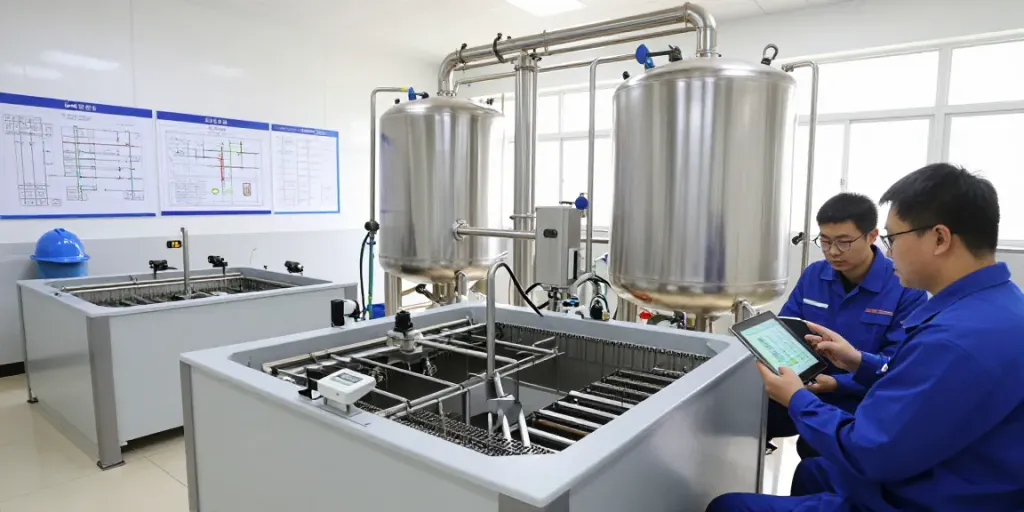
- Integrated Membrane Water Treatment Systems: These utilize membrane filtration technologies to purify water, crucial for removing contaminants and ensuring compliance with health standards.
- Chemical Treatment Systems: By employing chemical dosing at various stages, these systems effectively neutralize pollutants and enhance the quality of effluent water.
- DAF Integrated Treatment Systems: Dissolved Air Flotation (DAF) systems play a critical role in separating solids from liquids in wastewater, achieving high efficiency in challenging scenarios.
- Sludge Dewatering Systems: These systems minimize sludge volume and improve handling properties, making waste management more efficient and eco-friendly.
Industry Applications of Integrated Modular Systems
Integrated Modular Systems are being utilized across various sectors, including municipal water treatment facilities, industrial manufacturing, and agricultural operations. Their adaptable nature makes them suitable for addressing the specific challenges faced within these environments. The enhanced performance of such systems is particularly evident in areas where wastewater contains suspended solids, which require advanced treatment technologies to ensure effective separation and purification.
Benefits of QILEE's Integrated Modular Systems
Efficiency in Water Treatment
The implementation of QILEE's integrated modular systems significantly enhances efficiency in water treatment processes. By integrating advanced technologies such as DAF and membrane filtration, facilities can achieve higher throughput and effectiveness in pollutant removal. This efficiency translates into lower operational costs and a faster return on investment.
Cost-Effectiveness and Operational Stability
One of the most compelling reasons for adopting integrated modular systems is their cost-effectiveness. The modular design allows for scalability, enabling facilities to expand their systems as needed without incurring exorbitant costs. Additionally, QILEE’s systems are engineered for operational stability, reducing the risk of downtime and maintenance issues, which are critical for maintaining service levels and operational integrity.
Environmental Sustainability and Compliance
QILEE's commitment to environmental sustainability is reflected in their integrated modular systems. These systems not only comply with current regulatory requirements but are also designed to anticipate future environmental standards. The use of innovative technologies not only reduces the environmental footprint but also ensures that businesses can operate sustainably while fulfilling their legal obligations.
Applications of Integrated Modular Systems
Municipal Water Treatment Solutions
Municipalities face unique challenges when it comes to water treatment, including the need to process large volumes of wastewater while ensuring compliance with health standards. QILEE’s integrated modular systems provide municipalities with scalable, efficient solutions that can be customized to meet local regulations and treatment requirements.
Industrial Water Recycling Techniques
In industrial settings, water recycling is essential for reducing consumption and maximizing resource efficiency. Integrated modular systems enable industries to treat, recycle, and reuse wastewater effectively. This not only conserves water resources but also lowers operational costs associated with water procurement and waste disposal.
Customized Solutions for Specific Needs
Every business has unique requirements when it comes to water treatment. QILEE’s integrated modular systems are designed with flexibility in mind, allowing for tailored solutions that address specific operational challenges. This adaptability ensures that companies can achieve their goals while maintaining high standards of efficiency and regulatory compliance.
Challenges in Implementing Integrated Modular Systems
Technical and Operational Barriers
While the benefits of integrated modular systems are clear, several challenges can impede their implementation. Technical barriers, such as integration with existing infrastructure and the complexity of installation, can pose significant hurdles. Operationally, staff may require additional training to adapt to new systems and technologies.
Misconceptions About Modular Systems
There are common misconceptions regarding modular systems, particularly regarding their reliability and effectiveness compared to traditional systems. It is essential for stakeholders to understand that integrated modular systems are not just cost-saving solutions; they also represent a significant advancement in technology and process management.
Regulatory Compliance Issues
Ensuring compliance with evolving regulations can be a daunting task for many businesses. The stringent requirements for water treatment mean that companies must stay informed regarding changes and updates in legislation. Integrated modular systems can facilitate easier compliance through innovative design and technology, but businesses must be proactive in their approach.
Future of Integrated Modular Systems in 2026 and Beyond
Emerging Technologies and Innovations
The landscape of integrated modular systems is set to evolve significantly in the coming years. Innovations in AI and IoT are likely to enhance monitoring and management capabilities, allowing for real-time adjustments and predictive maintenance. Such advancements will improve efficiency and further reduce operational costs.
Market Trends and Predictions
As global demand for clean water continues to increase, the market for integrated modular systems is expected to grow. Analysts predict a surge in adoption across various sectors, driven by the need for efficient and sustainable water treatment solutions. Companies that invest early in these technologies will position themselves favorably in the marketplace.
Expert Insights and Strategic Planning
Industry experts emphasize the importance of strategic planning when implementing integrated modular systems. Businesses should conduct thorough assessments of their existing processes, identify areas for improvement, and explore customized solutions. Engaging with experienced providers like QILEE can ensure that companies are making informed decisions that align with their long-term goals.
What is an example of a modular system?
A common example of a modular system can be found in construction, where prefabricated sections of buildings are manufactured off-site and assembled on location. In water treatment, systems such as QILEE’s DAF treatment system exemplify how modular components can work together to enhance operational efficiency and reduce environmental impact.
How much does a modular system cost?
The cost of a modular system can vary widely based on its complexity, size, and the technologies employed. However, the scalability of these systems allows organizations to start small and expand as needed, making them a financially viable option for many businesses.
What is modular integrated construction?
Modular integrated construction refers to a building methodology where various components are prefabricated and later assembled on site. This approach reduces waste and expedites the construction timeline, paralleling the efficiency seen in integrated modular systems for water treatment.
What is the difference between modular and integrated design?
While both modular and integrated designs emphasize efficiency and flexibility, modular design focuses on the use of prefabricated components that can be combined in various configurations. In contrast, integrated design refers to creating a cohesive system where multiple functions operate seamlessly together, as seen in QILEE's modular water treatment systems.
What are the future trends in Integrated Modular Systems?
The future of integrated modular systems will likely be shaped by advancements in automation, sustainability, and digital technologies. As industries become more data-driven and environmentally conscious, these systems will adapt to meet the evolving demands of the market.