Introduction to Giant Building Blocks
In a world where children’s imaginations are boundless, giant foam building blocks stand out as a playful medium that not only fosters creativity but also enhances cognitive development. get the details on how these blocks play a pivotal role in developmental play, unraveling a universe where learning and fun harmoniously intertwine. The tactile experience and vibrant colors of foam blocks generate a multi-sensory play environment that captivates children of all ages, helping them build co-coordinated motor skills and engage in constructive play.
What are Giant Foam Building Blocks?
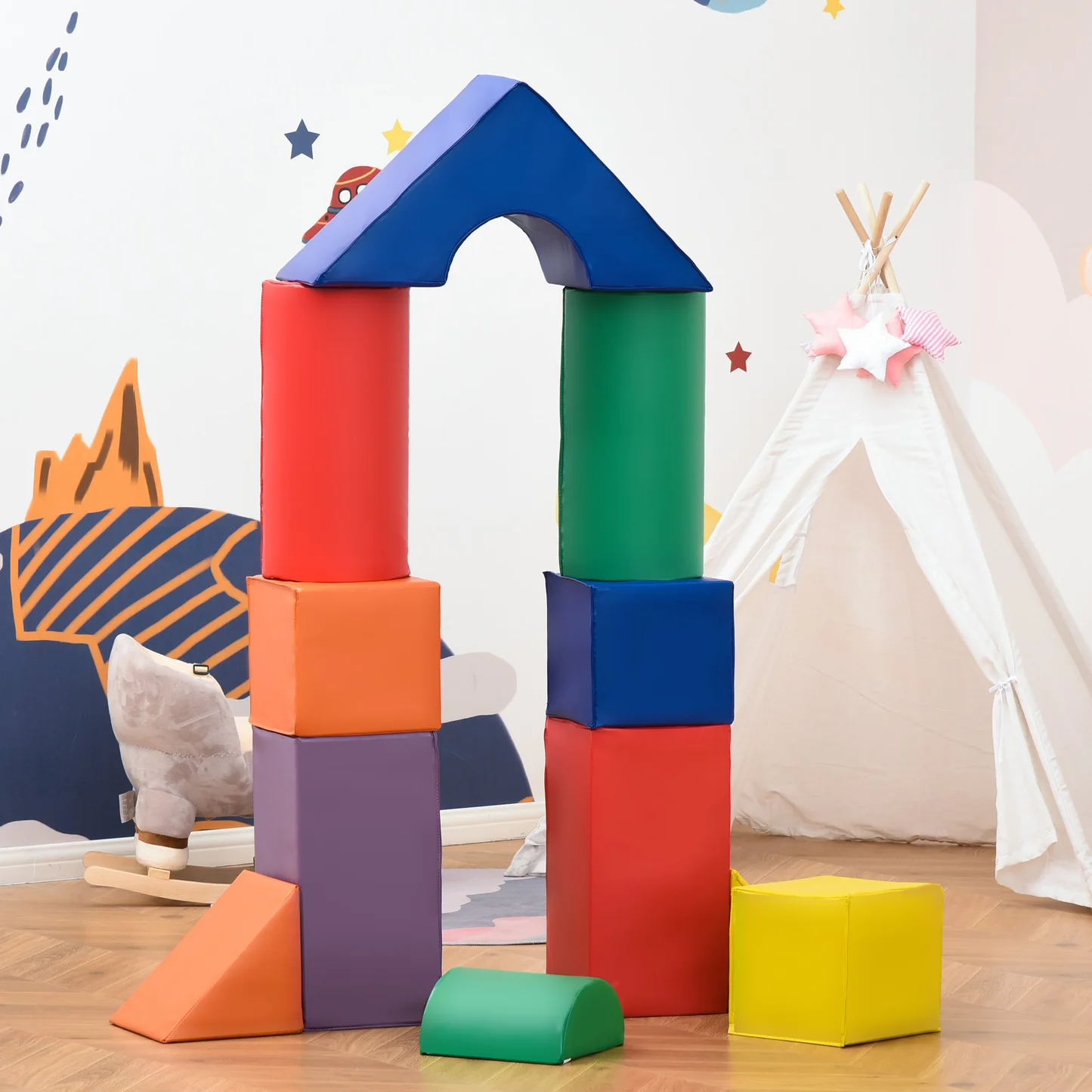
Giant foam building blocks are oversized, lightweight pieces designed for building structures and imaginative play. Made from soft foam, these blocks minimize risks associated with hard materials, making them perfectly suitable for young children. They are available in various shapes, sizes, and colors, which promote creativity as kids can construct almost anything from castles to spaceships. The ease of manipulation encourages open-ended play, allowing children to express their ideas distinctly while developing problem-solving skills.
Benefits of Using Foam Blocks
The advantages of incorporating foam blocks into playtime are myriad. Primarily, they enhance physical development: as children stack, balance, and build, they improve their hand-eye coordination and fine motor skills. Moreover, foam blocks stimulate cognitive growth as children learn about balance, symmetry, and gravity while experimenting with various construction techniques.
Socially, these blocks foster collaboration as multiple children can work together to create large structures. This teamwork promotes communication skills and helps children understand the importance of collective effort. Emotionally, engaging with foam blocks can also be a therapeutic outlet for children, allowing them to express feelings and practice emotional regulation through play.
Choosing the Right Blocks for Play
When selecting foam building blocks for play, several factors come into play. Look for blocks that are lightweight yet durable, ensuring they can withstand rigorous play without breaking down. Opt for sets that are brightly colored and come in a variety of shapes to stimulate creativity.
Consider the age of the children as certain designs might be too complex or not suitable for younger toddlers. Additionally, safety is paramount; ensure the foam is non-toxic and free from harmful chemicals. Finally, investigate block sets that offer variety in size and shape for maximum versatility in play. This ensures that children will be quickly engaged and able to build their dream projects effectively.
Creative Play Ideas for Children
Building Projects for All Ages
Encouraging children to embark on specific building projects can provide structure to their playtime while inspiring their creativity. For younger children, simple projects like constructing a tower or an animal den are excellent starter activities that help develop foundational building skills.
For older children, encourage them to replicate real-world structures, such as a bridge or even a miniature version of a famous landmark. Extending the building challenge by introducing specific themes, such as castles or space stations, can further ignite a child’s imagination and push their creative boundaries.
Using Blocks for Storytelling Adventures
Foam blocks serve as an extraordinary prop for storytelling. Children can create a setting with their blocks, such as a village or a forest, and then introduce characters and narratives into their play. This immersive way of storytelling develops their linguistic and narrative skills while allowing them to think critically about plot development and character interactions.
Moreover, adults can facilitate storytelling sessions by proposing situations or prompts that children can visualize and enact with their blocks. This collaborative effort builds a community of storytellers and fosters a bond between children and caregivers, allowing for learning through shared experiences.
Interactive Group Games with Building Blocks
Group games centered around foam building blocks amplify the social aspect of play. Games like “Block Relay” involve teams racing to build a tower. This type of game not only emphasizes teamwork but also strategic planning as teams must discuss the best approach to building efficiently. Alternatively, “Block Charades” involves one child constructing a certain shape or figure while others guess what it is, promoting observation skills and creativity.
Also, consider incorporating challenges where children must create a structure using a limited number of blocks; this fosters ingenuity and reinforces problem-solving skills. The interactive nature of these games ensures that all children are engaged and learning from one another while having fun.
Setting Up an Engaging Play Area
Tips for Indoor Play Spaces
Creating an inviting indoor play area can enhance children's engagement with foam blocks. Aim for a spacious environment that allows movement and exploration. Clear away anything that could impede their play or pose safety hazards. Providing a soft surface, such as a rug or foam mat, can make the play area more comfortable and safe.
To spark creativity, consider using different colored blocks and adding themed decorations that can represent various environments like oceans or outer space. A well-organized play area can also include designated sections for different types of blocks, which can facilitate organization and make it easier for children to choose their toys.
Safety Considerations for Using Foam Blocks
Safety is crucial when children play with giant foam blocks. First, ensure that all blocks are free from sharp edges and made with non-toxic materials. Regularly inspect the blocks for wear and tear, ensuring that none are damaged or can present a risk.
Additionally, it’s wise to supervise playtime, especially when there are multiple children involved. Teaching children how to play safely and respectfully can significantly reduce accidents and create a safer play environment for everyone.
Incorporating Themes into Play Areas
Integrating themes into play areas can transform the experience from mere physical activity to imaginative play. For example, a “construction site” can be established where blocks are used as building materials, complete with toy construction vehicles. A “space station” theme might include creating rockets and planets with blocks, inspiring vivid conversations about outer space.
The key is to align the theme with the interests of the children involved, ensuring their engagement. Using props, costumes, and additional resources (like books related to the theme) can further enrich the experience and encourage deeper imaginative play.
Maintaining and Caring for Your Blocks
Cleaning and Sanitizing Foam Blocks
Maintaining foam blocks involves routine cleaning and sanitizing to keep them hygienic for play. Use a soft damp cloth with mild soap to wipe down the surfaces of blocks, and avoid harsh chemicals that may damage the foam. After washing, it’s advisable to dry them thoroughly to prevent mold or mildew.
In communal spaces like schools or daycare centers, consider establishing a cleaning schedule to ensure that blocks remain safe and clean for all users. Regularly sanitizing them also promotes a healthier play environment and prevents any potential transmission of germs between children.
Storage Solutions for Rotating Play Options
Effective storage solutions can enhance play by making it easier for children to access blocks and keep their play area tidy. Using open bins or baskets allows children to see their options and encourages them to tidy up after play. For smaller spaces, wall-mounted storage or stackable bins can maximize available space.
Consider rotating blocks in and out of access; this can keep children engaged and reduce the feeling of monotony in play. By periodically introducing different shapes or colors, you can reignite interest and encourage exploration of new building techniques.
Longevity Tips for Your Foam Blocks
To ensure that your foam blocks stand the test of time, handle them with care during play and storage. Educate children on how to play safely and respect the blocks to prevent unnecessary wear. Over time, consider checking for any signs of wear, such as fading colors or loss of shape, and replace any damaged blocks to maintain an optimal play experience.
In addition, avoid storing foam blocks in excessively damp or hot environments, as this can degrade the material and compromise its integrity. By following these longevity tips, you can ensure that your foam blocks remain a dependable tool for creative play for years to come.
Frequently Asked Questions
What age group is suitable for foam building blocks?
Foam building blocks are suitable for children ages 1 and up, promoting motor skills and creativity in toddlers and preschoolers, while older children can engage in more complex projects.
Can these blocks be used outdoors?
Yes, foam blocks can be used outdoors but should be stored indoors to protect them from moisture and UV light, which can deteriorate their quality over time.
How to enhance learning through block play?
Integrate educational themes, such as counting, colors, and shapes, while playing with blocks. This can support cognitive development and improve grasping of math and science concepts.
Are there environmental concerns with foam blocks?
Some foam blocks may contain non-biodegradable materials. Opt for blocks made from eco-friendly, recyclable foam to lessen environmental impact during disposal.
What size blocks are best for group activities?
For group activities, larger blocks (12" or bigger) can be ideal, as they are easier to handle, facilitate collaborative constructions, and reduce the risk of choking hazards.