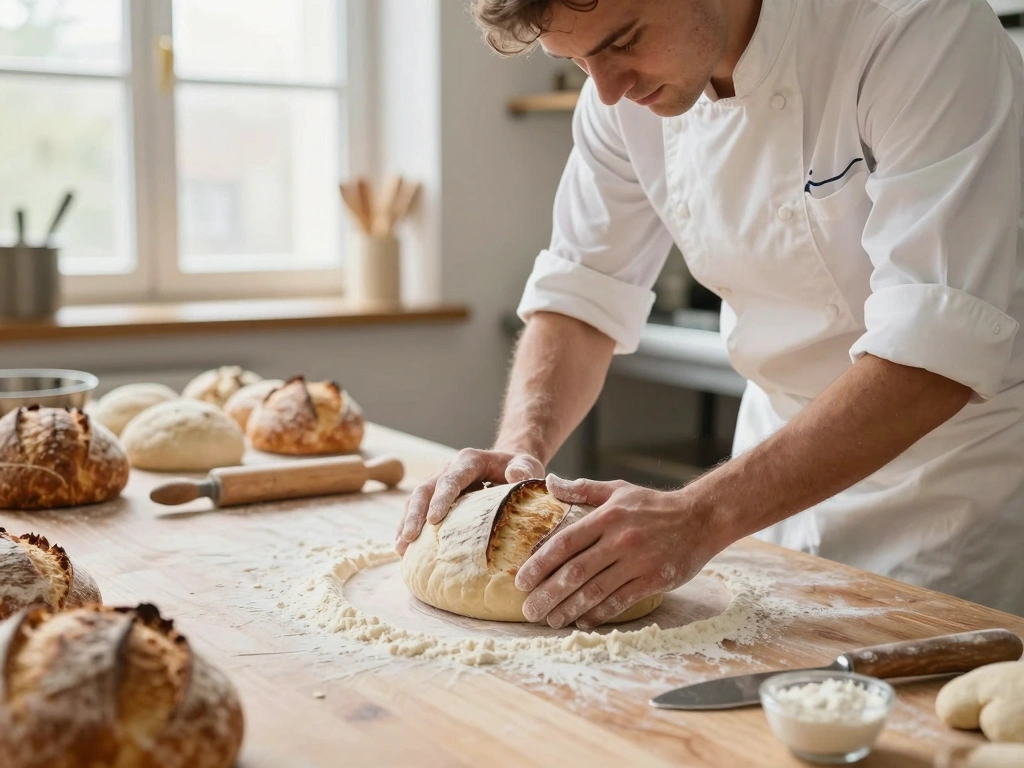
Understanding the Sourdough Baking Tournament Landscape
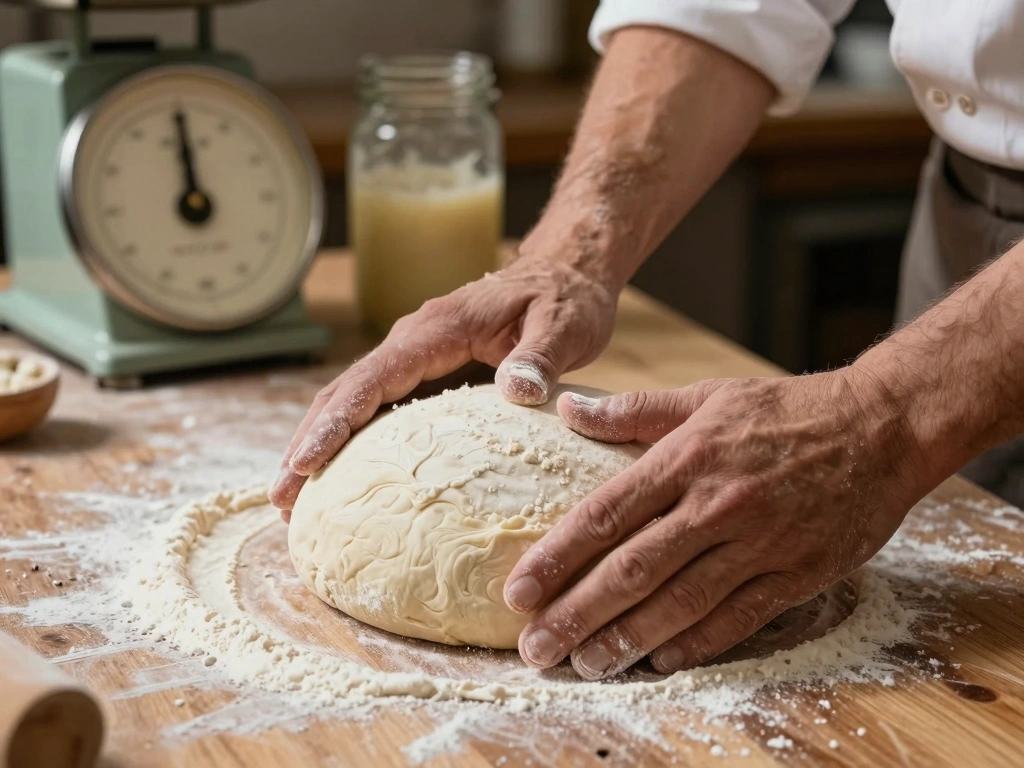
Competitive sourdough baking has emerged as a thrilling subculture within the culinary world, attracting both amateur enthusiasts and seasoned professionals alike. This circuit not only showcases extraordinary baking skills but also fosters a vibrant community of bakers eager to push their creative boundaries. Understanding the nature of these competitions is crucial for anyone looking to excel in this unique arena.
Types of Competitions and Formats
Sourdough baking tournaments can take several forms, each with its own set of rules and judging criteria. Some of the most common formats include:
- Head-to-Head Competitions: Bakers compete directly against one another, often in a timed setting. These competitions highlight skill under pressure, and bakers must produce their best loaf within a limited time frame.
- Blind Judging Events: In these tournaments, bakers submit their loaves without revealing their identities. Judges evaluate each loaf solely based on quality, ensuring a fair assessment devoid of bias.
- Themed Competitions: Some tournaments may focus on specific themes, such as “heritage grains” or “seasonal flavors.” Competitors are challenged to innovate while adhering to the theme, often leading to exciting and surprising results.
Key Organizations and Hosts
Several key organizations and hosts play a pivotal role in the sourdough baking tournament circuit:
- The Great American Sourdough Show: A prominent television competition that has paved the way for many bakers to showcase their talents on a national stage.
- American Institute of Baking (AIB): AIB frequently hosts workshops and competitions tailored for aspiring bakers, promoting education alongside competitive excellence.
- Local Baking Guilds: Many regions boast their own baking guilds that organize local competitions, helping to nurture talent and bring the community together.
Regional vs. National Tournaments
Understanding the difference between regional and national tournaments is vital for any aspiring competitor. Regional competitions often serve as stepping stones, allowing bakers to fine-tune their skills in a less intimidating environment. These events typically feature a smaller pool of participants and may focus on local ingredients or traditions.
On the other hand, national tournaments attract top talent from across the country, often resulting in a higher level of competition. Events like the National Sourdough Championships provide a platform for bakers to gain recognition and establish themselves in the baking community. Competitors may face more stringent judging criteria and tougher competition, making preparation all the more critical.
Essential Skills for Sourdough Tournament Success
Success in the competitive sourdough baking circuit hinges on a baker's mastery of several essential skills. Here’s a breakdown of the key areas of focus:
Mastering Fermentation Techniques
Fermentation is the heart and soul of sourdough baking. A deep understanding of this process can dramatically improve the quality of the bread. Competitors should focus on:
- Starter Maintenance: A healthy sourdough starter is vital. Bakers should regularly feed their starters, maintaining the right balance of hydration and temperature to promote the growth of wild yeast and lactic acid bacteria.
- Temperature Control: Mastering fermentation temperatures can lead to distinct flavor variations and textures. For example, fermenting at cooler temperatures (around 65°F) can produce a more complex flavor profile, while warmer temperatures (around 75°F) can speed up fermentation.
- Timing: Understanding the timing of bulk fermentation and proofing stages is crucial. A well-timed dough will yield a better rise and crumb structure, essential for achieving competition-worthy loaves.
Perfecting Dough Handling and Shaping
Exceptional dough handling and shaping techniques set successful competitors apart. Key techniques include:
- Stretch and Fold: This technique helps develop gluten strength without excessive kneading. It allows bakers to build structure while keeping the dough airy.
- Pre-Shaping and Final Shaping: Properly shaping the dough enhances its final structure. Competitors should practice various shapes such as batards or boules, ensuring they create tension on the surface to promote a good oven spring.
- Scoring: Mastering the art of scoring is crucial for both aesthetic and functional purposes. Well-placed scores allow for proper expansion and can add an artistic touch to the final loaf.
Developing a Unique Flavor Profile
In a competitive environment, flavor is paramount. Bakers must explore different combinations of ingredients and techniques to create distinctive loaves. This can involve:
- Experimenting with Flours: Utilizing various types of flour such as whole wheat, rye, or even ancient grains can lead to unique flavor profiles. Bakers should experiment with different hydrations to see how they affect taste and texture.
- Incorporating Add-ins: Adding seeds, nuts, or dried fruits can enhance the flavor and texture of sourdough. However, balance is key; ingredients should complement rather than overwhelm the bread's natural flavors.
- Adjusting Fermentation Times: Longer fermentation times can lead to more complex flavors due to the development of organic acids and alcohols. Competitors should practice finding the right balance for their desired flavor outcomes.
Judging Criteria in Sourdough Competitions
Understanding the judging criteria is crucial for any competitor aiming for success in sourdough tournaments. Judges typically evaluate loaves based on three primary criteria:
Visual Appeal and Presentation
First impressions matter. The visual aspects of a loaf can significantly influence judges. Key elements include:
- Crisp Crust: A well-baked loaf should have an appealing, golden-brown crust with a desirable sheen.
- Open Crumb Structure: Judges look for a well-aerated interior with holes that are evenly distributed, indicating proper fermentation and shaping techniques.
- Artistic Scoring: Creative and precise scoring enhances visual appeal and can showcase a baker's artistic skills.
Taste and Texture Evaluation
The taste and texture of the bread are perhaps the most critical aspects of the judging process. Bakers should focus on:
- Flavor Balance: Judges assess the overall flavor balance, ensuring the sourness is pleasant and complements the bread's other flavors.
- Mouthfeel: The texture of the crumb should be tender yet chewy, with a satisfying crust that offers a pleasing crunch.
- Aftertaste: An enjoyable aftertaste can leave a lasting impression, making it an important factor for judges to consider.
Technical Execution and Innovation
Judges often evaluate the technical proficiency demonstrated in the baking process. This includes:
- Consistency: Competitors should aim for consistency in their bakes, showcasing their ability to replicate quality across multiple loaves.
- Creativity: Innovative techniques or unusual flavor combinations can earn extra points, as judges appreciate bakers who think outside the box.
- Attention to Detail: Small details such as hydration levels, fermentation times, and ingredient sourcing can make a significant difference in the overall quality of the loaf.
Preparing for a Competitive Sourdough Event
Preparation is key to success in any competitive environment. Aspiring sourdough bakers should consider the following steps:
Creating a Training Schedule
Developing a structured training schedule can help bakers hone their skills effectively. This should include:
- Practice Sessions: Schedule regular baking sessions to focus on different aspects of sourdough making, such as fermentation techniques, shaping, and scoring.
- Mock Competitions: Organize practice competitions with fellow bakers to simulate the pressure of a real event, helping to build confidence and adapt to timed situations.
- Review and Reflect: After each practice, take time to review results, noting successes and areas for improvement to enhance future performance.
Gathering the Right Tools and Ingredients
Having the right equipment can significantly impact a baker's performance during a competition. Essential tools include:
- Baking Stone or Steel: These tools promote even heat distribution, essential for achieving a good oven spring.
- Dough Scraper: A high-quality dough scraper is indispensable for handling and shaping dough.
- Baking Thermometer: Accurate temperature readings are crucial for monitoring dough temperatures and oven conditions.
Practicing Under Competition Conditions
Competitors should simulate the conditions of a tournament as closely as possible. This includes:
- Time Management: Use timers to practice each step of the baking process, ensuring a smooth workflow under pressure.
- Ingredient Limitations: Mimic the constraints of a competition by limiting ingredient choices to what would be available during an actual event.
- Feedback Loop: Seek feedback from fellow participants or mentors to refine techniques and gain insights into areas needing improvement.
Building a Community and Networking in the Circuit
Being part of a community can enhance the competitive baking experience, providing support and opportunities for growth. Consider the following avenues:
Finding Local Baking Groups and Classes
Joining local baking groups or classes can be invaluable for skill development and networking. These communities often offer:
- Workshops: Participate in workshops focusing on specific techniques or ingredients, which can help refine skills and knowledge.
- Group Competitions: Engage in friendly local competitions that foster camaraderie and offer practical experience.
- Mentorship Opportunities: Connecting with experienced bakers can provide guidance, feedback, and exposure to advanced techniques.
Engaging with Online Forums and Social Media
Online platforms can also be a rich resource for aspiring competitors. Key benefits include:
- Knowledge Sharing: Engaging in forums allows bakers to share experiences, troubleshoot issues, and learn from one another's successes and failures.
- Showcasing Work: Social media platforms like Instagram and Pinterest can serve as a portfolio for bakers to showcase their creations and attract attention from judges and sponsors.
- Networking Opportunities: Online communities often share information about upcoming competitions, workshops, and events, keeping bakers informed and connected.
Collaborating with Fellow Bakers for Growth
Collaboration can be a powerful tool for growth. Consider these collaborative approaches:
- Joint Baking Sessions: Organizing sessions with fellow bakers can encourage skill sharing and foster a supportive environment.
- Feedback Exchanges: Establishing a system where bakers can critique each other’s work can lead to valuable insights and improvements.
- Group Challenges: Setting up group challenges can motivate bakers to experiment and innovate, pushing the boundaries of their baking abilities.
In conclusion, mastering the competitive sourdough baking tournament circuit requires a combination of skill, creativity, and community engagement. By understanding the landscape, honing essential skills, preparing meticulously, and building a supportive network, aspiring bakers can not only enhance their baking prowess but also find joy and fulfillment in the competitive baking journey.