Understanding Computer Vision for CCTV
The integration of computer vision for CCTV is a transformative approach that elevates traditional surveillance systems to new levels of intelligence. By leveraging advanced AI technologies, these integrated systems not only capture visual data but also interpret, analyze, and respond to it. This represents a paradigm shift in how we perceive and utilize CCTV technology, expanding its potential applications across various sectors, from public safety to retail analytics.
What is Computer Vision?
Computer vision is a field of artificial intelligence that enables machines to interpret and understand the visual world. It involves the extraction, analysis, and understanding of useful information from a single image or a sequence of images. Through techniques such as image classification, object detection, and image segmentation, computer vision mimics human visual perception, allowing it to recognize faces, objects, and activities within visual data.
Benefits of Computer Vision for CCTV
- Enhanced Security: With capabilities such as facial recognition and anomaly detection, systems can provide real-time alerts about potential security breaches.
- Operational Efficiency: Computer vision automates surveillance tasks, reducing the need for constant human monitoring and the associated labor costs.
- Data-Driven Insights: By analyzing visual data patterns, businesses and security organizations can gain valuable insights that inform decision-making.
- Scalability: These systems can be easily scaled to meet the demands of different environments, from small retail stores to large urban areas.
Key Components of a Computer Vision System
A typical computer vision system for CCTV consists of several key components:
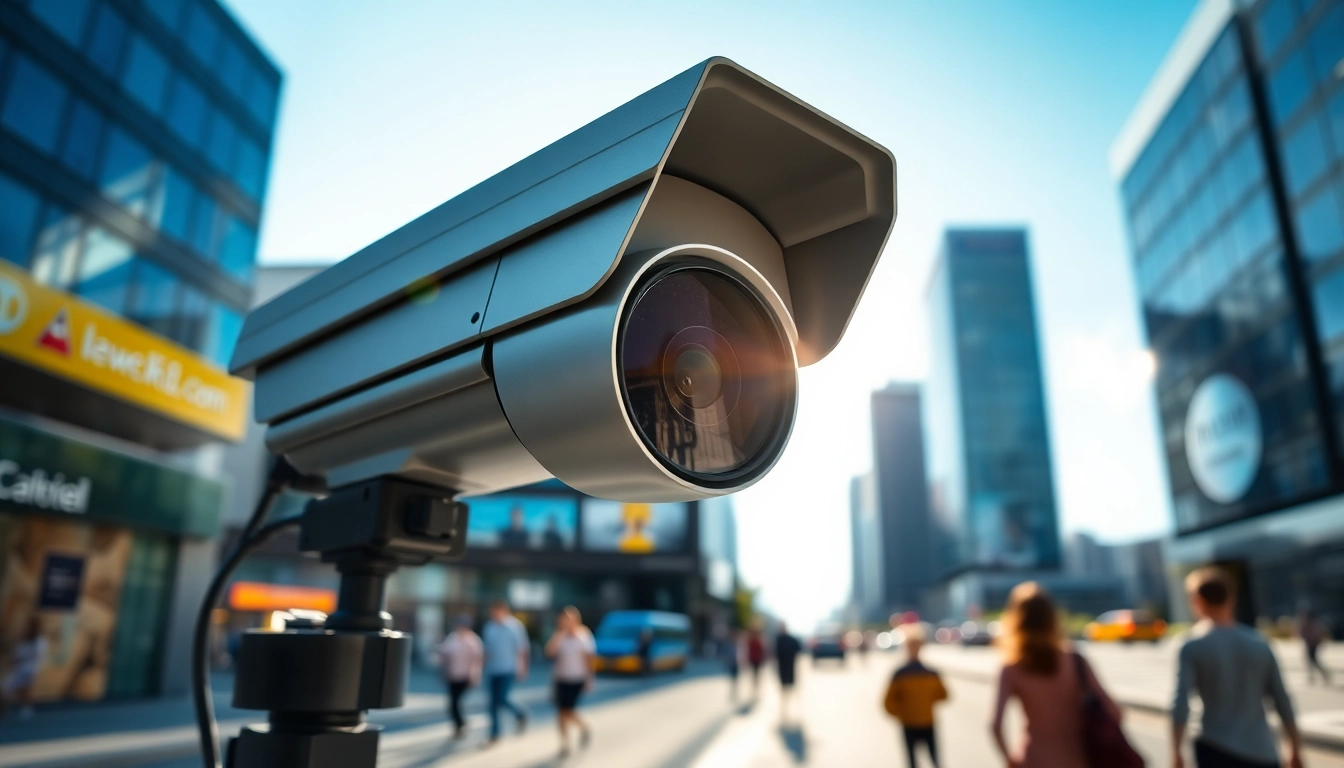
- Cameras: Equipped with the necessary resolution and capabilities, these cameras capture real-time video data.
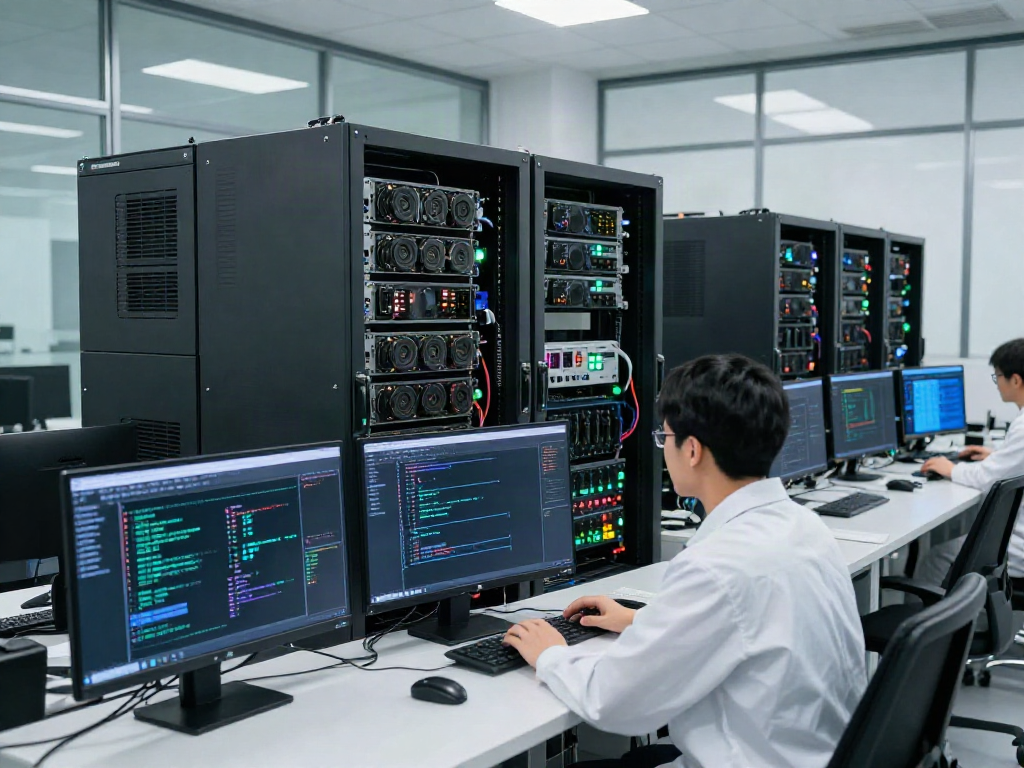
- Processing Unit: This can include GPU servers or cloud-based computing that handle the intensive processing required for real-time visual analytics.
- Software Algorithms: Advanced algorithms enable the recognition and analysis of specific objects and patterns within the visual data.
- Storage Solutions: To house the large volumes of data generated, robust storage solutions are necessary, whether cloud-based or on-premises.
Real-World Applications of Computer Vision for CCTV
Surveillance Systems in Public Spaces
Computer vision systems have gained traction in public safety applications, where they enhance the effectiveness of surveillance in areas like airports, malls, and stadiums. These systems can identify suspicious behaviors, such as loitering or unauthorized access, automatically alerting security personnel to potential threats. Many municipalities are exploring the use of these intelligent systems to manage urban safety more effectively, thereby helping law enforcement to respond promptly to incidents.
Retail Analytics and Customer Behavior
In the retail environment, computer vision provides insights into customer behavior, such as tracking foot traffic patterns and analyzing user engagement with products. By understanding how customers move through a store and what draws their attention, retailers can tailor their layouts, optimize product placements, and enhance marketing strategies. Furthermore, these systems can detect theft or unusual behavior, enabling faster response times from security teams.
Intrusion Detection in Private Properties
Homeowners are increasingly turning to computer vision systems for secure monitoring of their properties. These advanced systems can differentiate between humans, animals, and inanimate objects, reducing false alarms. When integrated with motion detection, they can automatically alert homeowners to intrusions, providing real-time video footage for evaluation. Such solutions offer peace of mind for residents and can act as a deterrent against burglaries.
Implementing Computer Vision for CCTV
Choosing the Right Hardware
When setting up a computer vision system for CCTV, selecting the right cameras is crucial. Factors to consider include resolution, frame rate, and low-light performance. While traditional CCTV cameras can suffice, newer technologies, such as IP cameras and smart cameras, provide enhanced capabilities for image processing and analytics. Additionally, systems should be equipped with the necessary environmental protections (like weatherproofing for outdoor cameras) to ensure consistent performance.
Software Solutions for Video Analytics
Software plays a pivotal role in the implementation of computer vision for CCTV. Several software solutions offer capabilities like facial recognition, object detection, and behavioral analysis. These algorithms need to be trained on relevant datasets, so partners should look for solutions that offer flexible training options for specific environments. Integration with existing security management platforms can streamline operations and improve overall system efficacy.
Integration with Existing Systems
Efficient integration of computer vision systems with existing CCTV setups is fundamental. Companies often find that enhancing current infrastructure can be more cost-effective than complete replacements. Consider utilizing edge computing solutions that allow real-time processing at the source, thus reducing the bandwidth required for data transmission. This can be done through middleware that connects new software and algorithms with legacy systems, allowing them to work in concert.
Challenges of Using Computer Vision for CCTV
Data Privacy Concerns
As with any technology capturing personal data, there are significant privacy concerns regarding the use of computer vision for CCTV. Regulatory compliance, such as adhering to GDPR or CCPA, is paramount. Organizations must ensure that they have proper data handling measures in place and that cameras are installed in compliance with local laws, including signage and usage transparency.
Cost Implications
The initial costs associated with implementing a computer vision system can be substantial. This includes expenses related to hardware, software, and ongoing maintenance. However, organizations should weigh these costs against the long-term benefits, including reduced theft, improved efficiency, and potential insurance savings. Detailed ROI analysis can help justify investments over time.
Technical Limitations
While computer vision technology has advanced significantly, technical limitations still exist. Issues such as lighting conditions, occlusion, and varying object sizes can impact detection accuracy. Organizations must carefully select suitable technologies and continuously update hardware and software to address these challenges as they arise.
The Future of Computer Vision for CCTV
Emerging Trends in AI and Security
The rapid evolution of AI is leading to increasingly sophisticated computer vision capabilities. Innovations such as improved neural networks and deep learning algorithms are making systems more adept at analyzing and understanding visual data. Furthermore, the potential integration of AI with IoT devices expands the possibilities for security applications, allowing for a more interconnected and responsive security ecosystem.
Potential Developments and Innovations
Future developments could see the integration of augmented reality (AR) with computer vision, enhancing real-time feedback and interaction for security personnel. Additionally, advancements in processing power and cloud computing could facilitate the deployment of more comprehensive analytics solutions, providing deeper insights into video data and further enhancing surveillance accuracy and efficiency.
Expanding Use Cases
The versatility of computer vision technology is leading to an expansion of use cases beyond traditional security applications. Industries such as healthcare, transportation, and manufacturing are exploring ways to leverage these systems for monitoring, compliance, and efficiency improvements. As technology continues to develop, new opportunities for computer vision will undoubtedly emerge, creating a wealth of potential applications.
FAQs About Computer Vision for CCTV
1. What is computer vision for CCTV?
Computer vision for CCTV refers to integrating AI technologies with surveillance systems, allowing cameras to interpret and analyze visual data for enhanced monitoring and security.
2. How does computer vision enhance security?
It enhances security through real-time threat detection, facial recognition, and anomaly identification, allowing for prompt responses to suspicious activities.
3. What industries benefit from computer vision for CCTV?
Industries such as retail, transportation, public safety, and healthcare benefit greatly from camera systems with integrated computer vision technology.
4. Are there privacy concerns with computer vision systems?
Yes, privacy concerns exist, particularly regarding data collection and surveillance challenges. Organizations must comply with relevant laws and maintain transparency.
5. What are the main challenges of implementing computer vision for CCTV?
Main challenges include high setup costs, data privacy regulations, and technical limitations related to varying environmental conditions and camera functionalities.