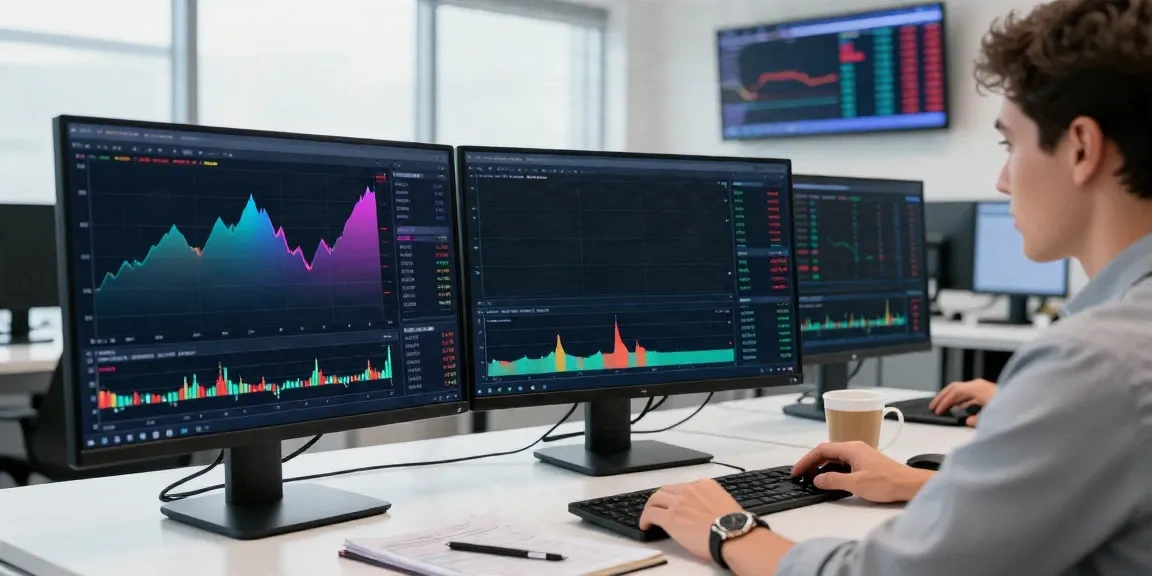
Understanding Tick by Tick Stock Data
In the rapidly evolving financial landscape, the significance of real-time data is paramount. As traders embrace the digital age, access to fine-grained market information becomes crucial. This is where tick by tick stock data plays a pivotal role, allowing traders and analysts to make informed decisions based on the most current market conditions. In this article, we delve into the fundamentals of tick data, exploring its importance and impact on trading strategies.
What Is Tick by Tick Data?
Tick by tick data represents the most granular form of market data available, capturing every transaction in real time. Unlike traditional OHLC (Open, High, Low, Close) data, tick data records each individual trade, including vital details such as price, volume, and timestamp. This level of detail allows analysts to discern patterns and trends that may remain hidden in aggregated data. For instance, a single tick can illustrate market behavior during a high volatility event, offering insights that could enhance trading strategies.
Difference Between Tick, Level 1, and Level 2 Data
The distinction between tick data, Level 1, and Level 2 data lies in the depth of information provided. Level 1 data typically offers the best bid and ask prices along with the last traded price, serving as a snapshot of market quotes. In contrast, Level 2 data provides an in-depth view of the order book, showcasing multiple levels of bid and ask prices, which is essential for understanding market depth and liquidity. Tick data complements these types by delivering every transaction as it occurs, complete with detailed metrics for each trade, thereby offering the most comprehensive market insights.
Benefits of Live Market Data for Traders
The advantages of live market data are numerous. First, it enhances trading strategies by enabling real-time analysis and execution of trades. Traders can make informed decisions quickly, responding to market fluctuations. Additionally, tick data allows for sophisticated modeling and backtesting of trading algorithms, providing a clearer understanding of market behaviors and enhancing predictive accuracy.
How Tick Data Influences Trading Strategies
Integrating Tick Data into Algorithmic Trading
Algorithmic trading leverages complex algorithms to execute trades. By integrating tick data, these algorithms can react more rapidly to market changes, executing thousands of trades per second based on real-time analysis. This leads to improved profitability and reduced slippage, as traders can capitalize on minute fluctuations in market prices.
Real-time Analysis and Decision Making
The speed at which tick data can be analyzed significantly impacts decision-making. Factors such as market momentum and volume can be monitored in real time, enabling traders to reposition quickly in response to changing conditions. Tools such as tick charts visualize this data, allowing for immediate pattern recognition and execution of trades based on established technical indicators.
Evaluating Market Microstructure with Tick Data
Market microstructure refers to the mechanisms through which securities are traded. By analyzing tick data, traders can better understand these mechanisms, determining how order flow, liquidity, and price formation dynamics interact. This understanding can reveal critical insights into trading costs and the impact of various trading strategies on price discovery.
Technical Tools for Analyzing Tick Data
Charting Software for Tick Analysis
Several charting tools are available for analyzing tick data, each offering different functionalities tailored to various trading strategies. Popular platforms include TradingView, ThinkorSwim, and MetaTrader, all of which allow for advanced visualization of tick data, facilitating deeper insights into market movements.
API Utilization for Real-time Data Streaming
APIs (Application Programming Interfaces) are essential for accessing tick data in a seamless manner. By utilizing a robust API like the one provided by iTick, developers can integrate real-time tick data into their trading applications, enabling sophisticated trading strategies that are reliant on instantaneous market information.
Backtesting Strategies with Historical Tick Data
Backtesting is a crucial element of algorithmic trading, allowing traders to simulate trading strategies based on historical data. Access to historical tick data provides a high-resolution dataset for validating trading algorithms and enhancing their performance before deploying them in live markets.
Security Considerations for Tick Data Usage
Protecting Data Privacy in Streaming Services
With the rise of trading platforms and APIs, data privacy becomes a significant concern. Traders must ensure that the data streams they use are secured through encryption and are managed to prevent unauthorized access. Implementing strong authentication protocols is critical for protecting sensitive information.
Risks Associated with Tick Data Sharing
Sharing tick data can expose traders to risks such as data breaches and market manipulation. Organizations should establish comprehensive data-sharing policies to define how tick data can be shared while safeguarding the integrity and confidentiality of the trading information.
Best Practices for Secure API Integration
For those using APIs to access tick data, employing industry-recognized best practices is crucial. These include regular updates of security protocols, utilizing two-factor authentication (2FA), and conducting periodic security audits to identify and rectify vulnerabilities in the system.
The Future of Tick Data in Cryptocurrency Markets
Innovations in Data Streaming Technologies
The cryptocurrency landscape is rapidly changing with advancements in data streaming technologies. Innovations such as real-time blockchain data feeds enable traders to access tick data for cryptocurrencies at unprecedented speeds, allowing for improved trading responsiveness.
Regulatory Challenges and Implications for Traders
The evolving regulatory environment poses challenges for cryptocurrency markets. Traders must remain vigilant and informed about regulations that affect tick data sharing and usage, including compliance with securities laws and data privacy regulations.
Emergence of New Tick Data Platforms in 2026
Looking ahead to 2026, we can expect emerging platforms to offer advanced tick data solutions tailored for cryptocurrency markets. These platforms will likely integrate machine learning and AI to enhance real-time analysis capabilities, enabling traders to gain deeper insights and make faster decisions.
Common Queries about Tick by Tick Data
Many traders often question the main uses of tick by tick stock data. This data is primarily used to enhance trading algorithms, backtest strategies, and provide insights into market microstructure. Additionally, platforms that provide this data range from traditional exchanges to innovative cryptocurrency trading platforms, catering to diverse trading needs.
Utilization of Tick Data for Informed Trading Decisions
Traders can effectively use tick data by integrating it into their decision-making processes. By analyzing tick data, traders can identify trends, volume changes, and price patterns more accurately, thus enhancing their market predictions and improving trading outcomes.
Security Risks in Tick Data
Similar to other forms of financial data, tick data is not without its security risks. Traders must be aware of phishing attacks, potential data leaks, and the importance of maintaining secure systems to protect their trading activities and outcomes.
The Evolution of Tick Data
In recent years, tick data has significantly evolved from basic market metrics to sophisticated data streams that cater to high-frequency trading and in-depth market analysis. This evolution is driven by technological advancements and an increased demand for real-time data by institutional traders and retail investors alike.