Introduction to Flexible Packaging Solutions
Flexible packaging solutions are at the forefront of modern packaging technology, offering manufacturers and consumers a versatile way to safeguard products. This innovative form of packaging encompasses various materials and design features that respond effectively to the diverse needs of industries ranging from food to pharmaceuticals. With increasing demands for sustainable and efficient packaging, Flexible Packaging Solutions have become an essential consideration in product design and distribution.
Understanding Flexible Packaging
Flexible packaging refers to packaging made from non-rigid materials that can be easily shaped, molded, or folded around a product. This type of packaging can include films, bags, and pouches, providing a snug fit for products that require protection from external factors such as moisture, light, and air. Unlike traditional packaging, which often utilizes hard materials like glass or rigid plastic, flexible packaging adapts to the product it contains, minimizing wasted space and improving storage efficiency.
Importance in Various Industries
Flexible packaging solutions have become increasingly important across multiple industries. In the food sector, they extend shelf life, reduce spoilage, and maintain quality, enhancing consumer satisfaction. In pharmaceuticals, flexibility is key to accommodating products with varying shapes and sizes, ensuring safety and compliance with stringent regulations. Furthermore, the rise of e-commerce has amplified the demand for lightweight, durable, and space-efficient packaging that can withstand the rigors of shipping and handling.
Key Characteristics of Flexible Packaging Solutions
Flexible packaging is distinguished by several key characteristics:
- Lightweight: This reduces shipping costs and carbon footprint.
- Barrier Properties: Many flexible materials are designed to protect contents from moisture, oxygen, and UV light.
- Printing Capability: High-quality graphics can be applied for branding and product information.
- Sustainability: Many flexible packaging options have recyclability or composability features, meeting increasing consumer demand for eco-friendly packaging.
Advantages of Flexible Packaging Solutions
Cost Efficiency and Material Reduction
One of the most compelling advantages of flexible packaging is its cost efficiency. By using lightweight materials, manufacturers can significantly reduce shipping expenses. The design of flexible packaging also allows for less material to be used compared to rigid packaging, resulting in lower production costs and a smaller environmental footprint. This reduction in material not only lowers costs but also minimizes waste throughout the supply chain.
Enhanced Product Shelf Life
Flexible packaging can greatly enhance the shelf life of products. By including barrier properties that block moisture, light, and air, these packaging solutions preserve the product’s freshness, flavor, and nutritional value. This is particularly important for perishables like food products, where packaging plays a critical role in reducing spoilage and waste.
Sustainability Benefits and Eco-Friendliness
In recent years, there has been a significant shift towards sustainability in the packaging industry. Many flexible packaging solutions use materials that are recyclable and require less energy in their production. Additionally, advancements in biodegradable materials and innovative recycling processes have positioned flexible packaging as a more eco-friendly option compared to traditional hard packaging.
Types of Flexible Packaging Solutions
Bags and Pouches
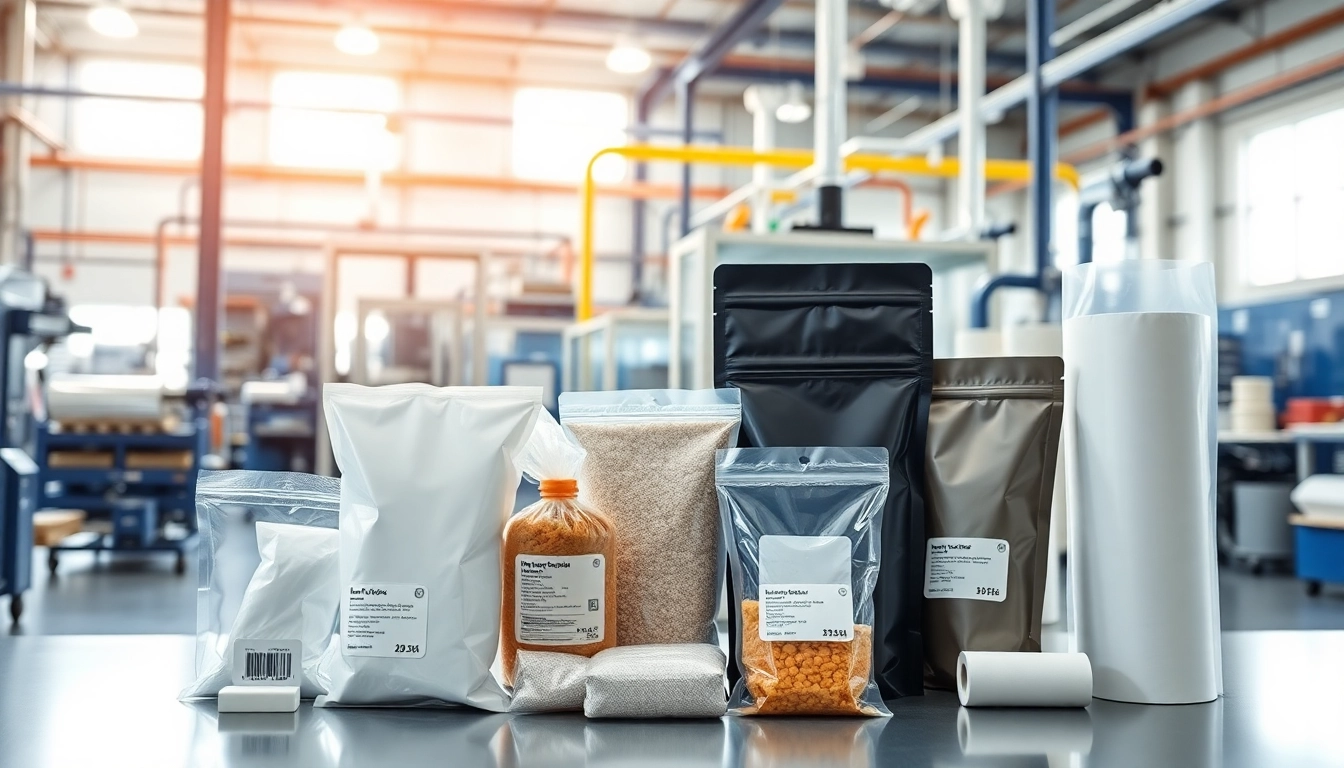
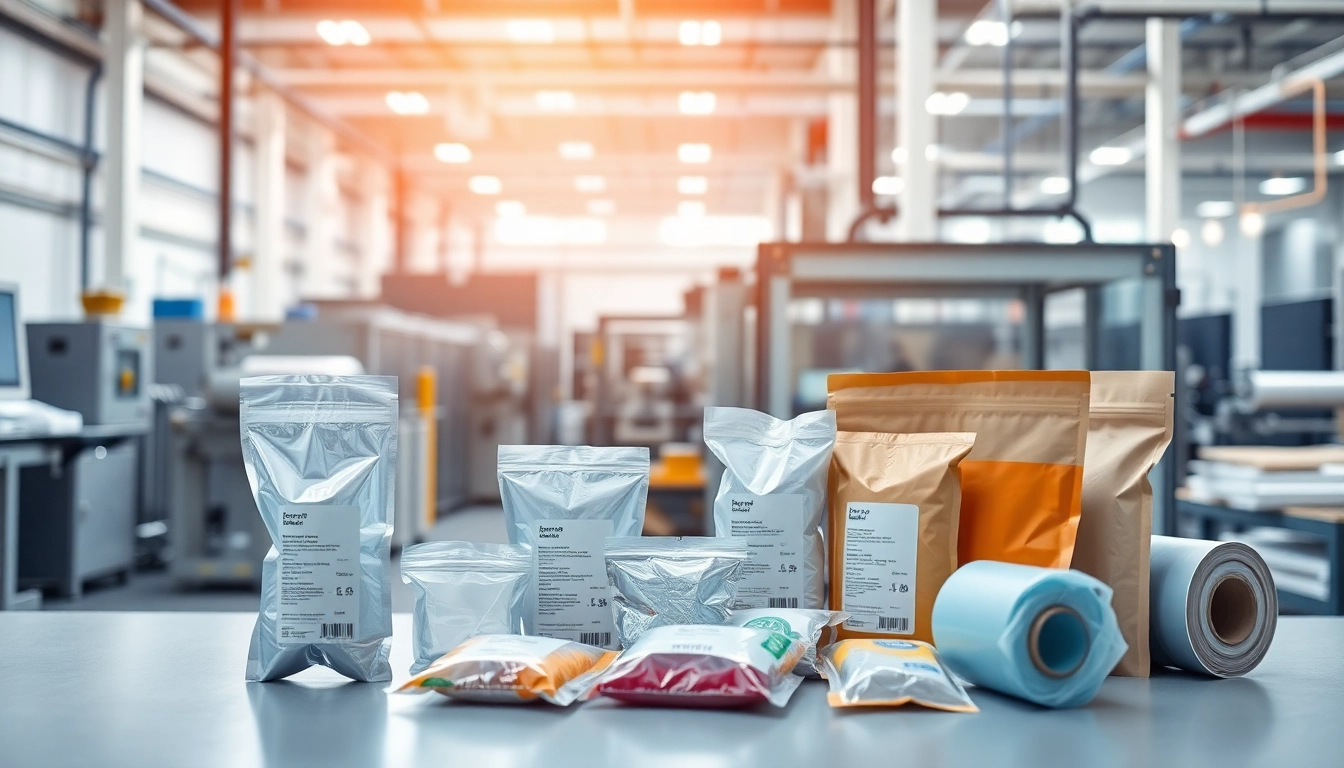
Flexible bags and pouches are among the most common types of flexible packaging. Available in various styles, including stand-up pouches, flat pouches, and gusseted bags, these packages can accommodate a wide range of products, from snacks to liquids. The design of these pouches allows for quick filling, sealing, and easy opening for consumers, enhancing overall user experience.
Films and Wraps
Flexible films and wraps have become vital in both industrial and consumer markets. These films can be applied directly to products or used to create protective wraps for larger items. They can also be printed with high-quality graphics, making them an ideal option for branding while offering the protective qualities necessary for shelf stability.
Custom Packaging Solutions
Many manufacturers offer custom flexible packaging solutions tailored to specific product needs. Customization can include specialized shapes, sizes, and materials that enhance functionality. This flexibility allows brands to differentiate themselves in the market while meeting unique consumer demands effectively. Businesses that invest in custom flexible packaging are often noted for their creativity and responsiveness to market trends.
Best Practices for Implementing Flexible Packaging Solutions
Choosing the Right Materials
The choice of materials is crucial in ensuring the effectiveness and sustainability of flexible packaging. Companies should consider the product’s requirements, such as barrier properties, shelf life, and environmental impact. Collaborating with material suppliers can provide valuable insights into the latest innovations and offer options that align with business goals.
Design and Branding Considerations
Effective design plays a pivotal role in the success of flexible packaging. Brands must carefully consider how packaging design communicates product features and values while also appealing to consumer aesthetics. Strategies such as including windows to showcase products, vibrant graphics, and informative labeling can significantly enhance product visibility on retail shelves.
Regulatory Compliance and Safety Standards
Compliance with regulatory standards is a critical aspect of implementing flexible packaging solutions. Companies must stay up to date with food safety regulations and packaging compliance standards specific to their industry. Ensuring that packaging materials are safe for contact with products, especially in food and pharmaceuticals, is paramount to avoid legal challenges and maintain customer trust.
Future Trends in Flexible Packaging Solutions
Technological Innovations
Technology is driving rapid changes in flexible packaging solutions. Advancements in materials science are leading to the development of smarter packaging, including options that incorporate sensors to monitor freshness and indicators for temperature changes. Digital printing technologies are also evolving, allowing for shorter production runs and greater customization at lower costs.
Growth in E-commerce Packaging
As e-commerce continues to explode, the demand for robust and reliable packaging solutions grows correspondingly. Flexible packaging is particularly well-suited for e-commerce due to its lighter weight and efficient use of space, reducing shipping costs and environmental impact. Packaging solutions designed specifically for online shipping must combine durability with visual appeal to enhance the customer unboxing experience.
Consumer Preferences and Market Shifts
Consumer preferences are shifting towards sustainability and convenience. Brands are responding by adopting flexible packaging solutions that meet these demands. The trend towards minimalist packaging that emphasizes recyclability and reduced waste is becoming increasingly significant, as consumers seek to align their purchasing decisions with their values.
FAQs
What are the benefits of flexible packaging solutions?
Flexible packaging solutions offer cost efficiency, reduced waste, and prolonged shelf life for products, making them ideal for various industries.
How do flexible packaging solutions contribute to sustainability?
Many flexible packaging options are recyclable and require less energy and water during production, minimizing environmental impact.
What types of products can be packaged in flexible packaging?
Flexible packaging solutions can accommodate a wide range of products, including food, pharmaceuticals, and consumer goods.
What should businesses consider when choosing flexible packaging?
Businesses should consider the packaging material, design needs, regulatory requirements, and sustainability goals to ensure optimal product presentation.
How is technology shaping the future of flexible packaging solutions?
Technological advancements in materials, printing, and automation are driving innovations in flexible packaging, improving efficiency and customization.