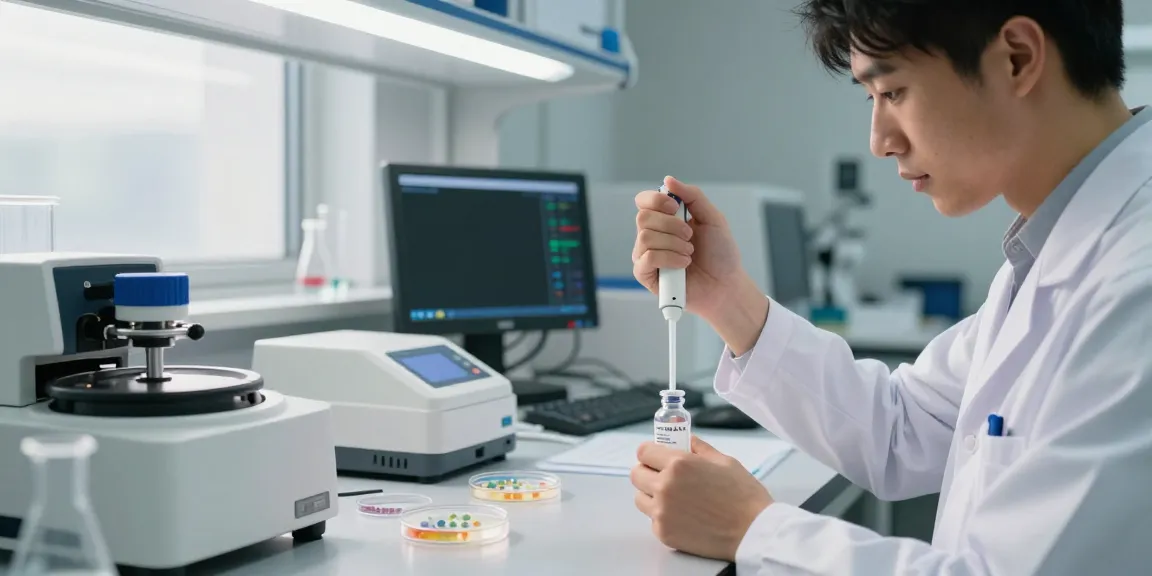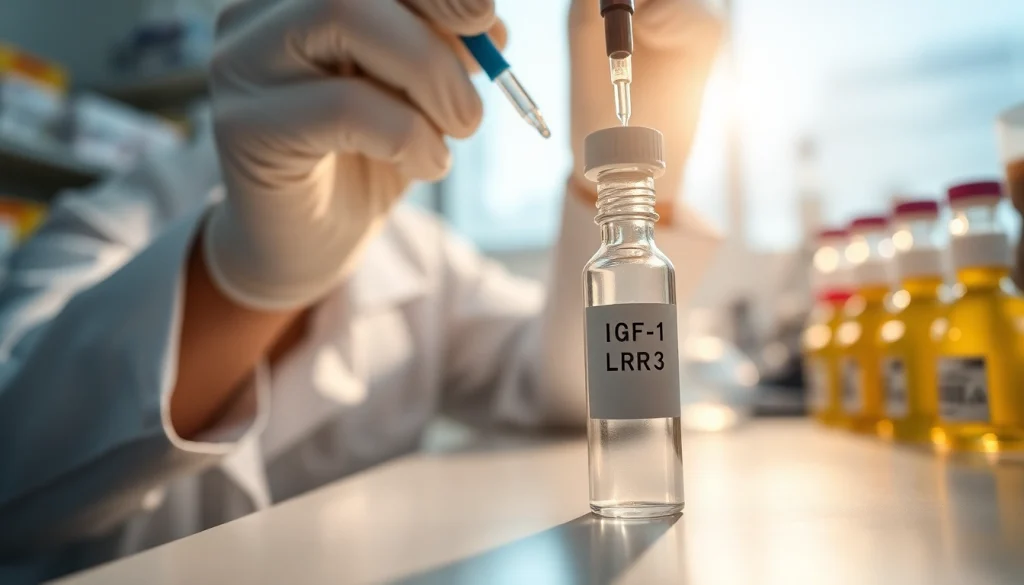
Introduction to Research Peptides
Research peptides are an exciting and rapidly developing area of study in the field of biochemistry and pharmacology. These small proteins play crucial roles in regulating biological processes, making them essential for various scientific inquiries. As researchers continue to explore their potential, the demand for high-quality peptides has surged, particularly for specific compounds like tb-500 peptide for sale.
What Are Peptides?
Peptides are short chains of amino acids linked by peptide bonds, typically consisting of anywhere from two to fifty amino acids. They function as biological messengers and have significant implications in numerous physiological processes, including metabolism and immune functions. Unlike proteins, which are larger and composed of one or more long polypeptide chains, peptides are more straightforward and often have more direct effects on biological systems.
Origin and Composition of Research Peptides
Research peptides can be synthesized in laboratories through solid-phase peptide synthesis (SPPS), making it possible to create customized peptides tailored to specific research needs. Peptides can also be derived from natural sources, such as plants, animals, or microorganisms. Depending on their source and structure, they can exhibit diverse biological activities, making them valuable tools in research settings.
Common Applications in Science
Peptides have a wide array of applications across various fields. In medicine, they are used in therapeutic treatments, particularly for conditions such as diabetes and cancer. In biotechnology, they serve as biomarkers for disease diagnosis and progression. Researchers also leverage peptides in pharmacology, biochemistry, and drug development, where they are investigated for their ability to act as antagonists or agonists on specific receptors.
TB-500: A Closer Look
What is TB-500?
TB-500, or Thymosin Beta-4, is a synthetic peptide derived from human thymosin beta-4. It contains a sequence of 43 amino acids and is known for its roles in promoting healing and tissue repair. TB-500 has gained significant interest in the research community for its potential benefits in muscle recovery, wound healing, and inflammation reduction.
Benefits of TB-500 in Research
The benefits of TB-500 stem from its ability to modulate inflammation, enhance cell migration, and promote new blood vessel formation (angiogenesis). These properties make TB-500 particularly interesting for research into muscle injuries, cardiovascular health, and tissue regeneration. Preliminary studies suggest that it may also improve performance and endurance, highlighting its value beyond mere healing.
Mechanism of Action and Usage
TB-500 exerts its beneficial effects primarily through the regulation of actin, a protein that plays a vital role in cell movement and structure. By facilitating actin polymerization, TB-500 enhances cell migration, which is essential for wound healing and tissue regeneration. Researchers typically explore its usage in various forms, including injection protocols that target specific injuries or conditions.
Handling and Storing Peptides Safely
Best Practices for Storage
Proper handling and storage of peptides are critical to maintaining their stability and efficacy. Peptides should be stored in a cool, dry place, preferably in a refrigerator. It is advisable to keep them in their original vial and to limit exposure to light and moisture, as these factors can degrade their quality.
Identifying Quality Peptides
When purchasing research peptides, it is essential to ensure quality through several key criteria. Look for suppliers that provide third-party testing and detailed certificates of analysis. Quality peptides should demonstrate high purity levels (ideally over 95%) and be verified against known standards to ensure accuracy in research applications.
Safety Precautions in Peptide Research
Safety must always be a priority in peptide research. Researchers should familiarize themselves with potential risks associated with peptide handling and administration and follow necessary precautions such as wearing protective gear and adhering to proper waste disposal protocols. Additionally, researchers should ensure compliance with institutional, local, and federal guidelines regarding peptide use.
Research and Studies on TB-500
Recent Findings and Insights
Studies surrounding TB-500 have shown promising outcomes in various research settings, particularly in the realms of wound healing and recovery from injury. For example, animal studies demonstrated significantly accelerated repair of damaged tissues, suggesting that TB-500 could be effective in developing therapies for sports injuries or surgical recovery.
Clinical Applications and Results
Clinical research on TB-500 continues to expand. Some studies have explored its role in managing chronic injuries and improving cardiovascular health. While the preliminary results are encouraging, researchers are calling for more rigorous clinical trials to establish clear efficacy and safety profiles before TB-500 can be widely adopted in clinical settings.
Limitations and Considerations
Despite its potential benefits, TB-500 research is still in its early stages, and several limitations must be taken into account. The lack of extensive clinical trials means that long-term effects remain largely unknown. Additionally, the potential for misuse in athletic contexts raises ethical concerns, making comprehensive regulatory frameworks necessary.
Future of Peptide Research
Emerging Trends in Peptide Studies
The future of peptide research looks promising, with emerging trends indicating a focus on personalized medicine and targeted therapies. Researchers are increasingly interested in exploring how specific peptide sequences can be tailored for individualized treatment plans, enabling doctors to optimize therapeutic outcomes based on a patient's unique biology.
Potential Innovations
Innovations in peptide synthesis and delivery mechanisms are poised to significantly impact future research. Advancements in nanotechnology may allow for more effective targeted delivery systems, enhancing peptide efficacy while minimizing side effects. As these technologies evolve, we may witness the creation of next-generation peptide-based therapeutics with enhanced performance profiles.
Ethical Considerations in Peptide Use
As peptide research becomes increasingly prevalent, ethical considerations around their use, particularly in sports and wellness, will gain more attention. Issues such as the potential for abuse and the importance of regulatory oversight must be addressed to ensure that peptide-based interventions do not compromise fairness or health in competitive environments.
FAQs about TB-500 and Peptides
What is TB-500 used for?
TB-500 is primarily researched for its potential to promote healing, reduce inflammation, and aid in tissue regeneration, making it valuable in treating injuries and surgical recovery.
Is TB-500 safe for research purposes?
While preliminary research indicates safety, the long-term effects of TB-500 are not well established. Researchers must adhere to safety guidelines and utilize it responsibly.
How should TB-500 be stored?
TB-500 should be stored in a cool, dry place, ideally in a refrigerator, and protected from light and moisture to maintain its stability and effectiveness.
Are there any side effects of TB-500?
Common side effects are not extensively studied, but possible reactions could include mild irritation at the injection site or discomfort. More research is needed to clarify potential risks.
Where can I find quality TB-500?
Quality TB-500 can be sourced from reputable suppliers who provide third-party testing and certificates of analysis, ensuring you receive a pure and effective peptide.