Understanding the Excavator: Features and Functions
What is an Excavator?
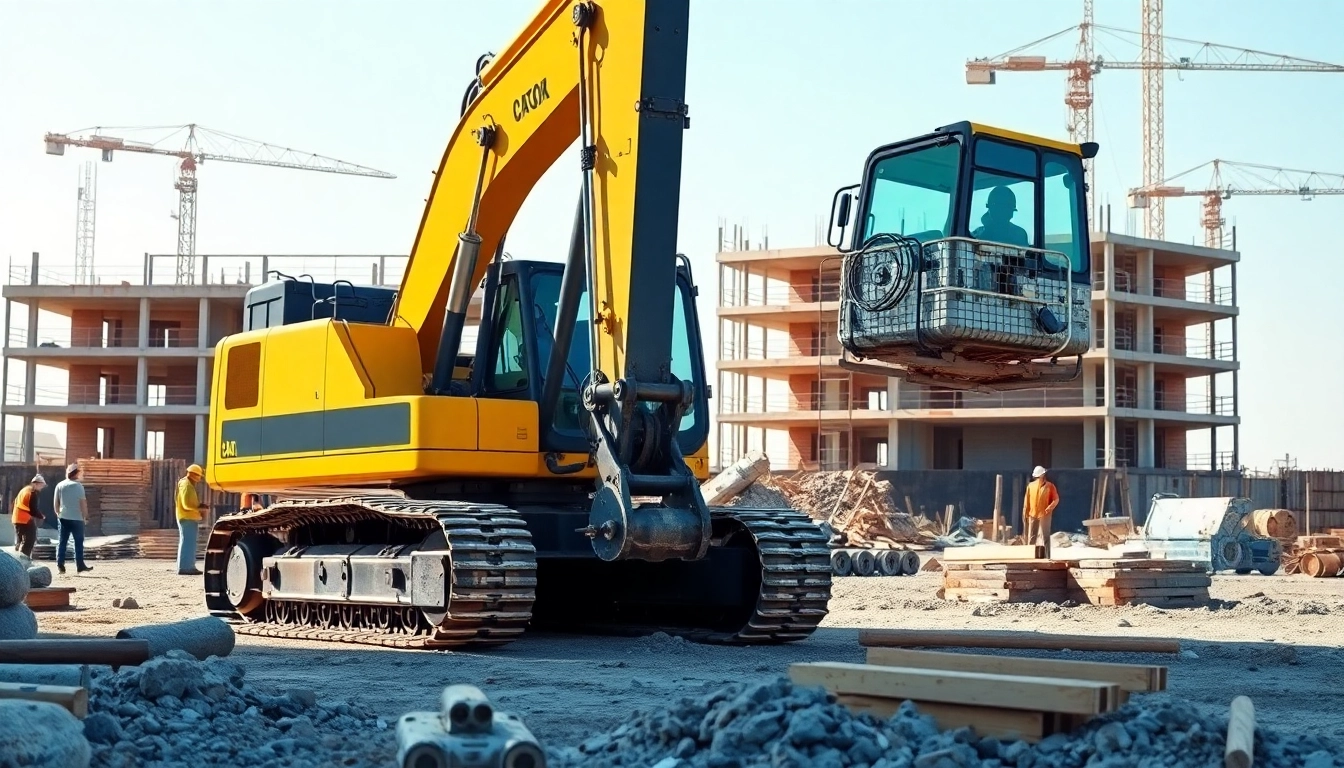
An excavator is a vital piece of heavy construction equipment utilized primarily for tasks involving digging, lifting, and moving materials. Traditionally seen on construction sites, its versatile function allows it to perform various tasks such as trenching, material handling, lifting heavy loads, and even demolition. Characterized by its distinct components—a boom, dipper (stick), bucket, and cab mounted on a rotating platform known as the "house"—the modern excavator sits on an undercarriage equipped with tracks or wheels, enhancing mobility and stability across various surfaces.
Key Components of Excavators
Understanding the anatomy of an excavator is essential for both operators and those looking to rent or purchase this machinery. The primary components include:
- Boom: This is the hinged arm that extends from the house and provides the necessary reach for digging or lifting.
- Dipper (Stick): Attached to the end of the boom, the dipper allows the bucket to extend further and perform tasks at greater distances.
- Bucket: The most recognizable part of an excavator, the bucket varies in size and shape, making it suited for different tasks such as digging or scooping material.
- House: The rotating section housing the operator's cab, engine, and hydraulic system. This component allows the operator to swivel the upper part of the excavator.
- Undercarriage: This part supports the entire machine and includes tracks or wheels that provide the necessary mobility.
Types of Excavators and Their Uses
Excavators come in various types, each designed for specific tasks. Some of the commonly used excavators include:
- Crawler Excavators: These are the most common types, featuring tracks that offer stability on uneven terrain, ideal for construction sites.
- Wheeled Excavators: Offering faster mobility, these excavators are suitable for urban environments and time-sensitive projects.
- Mini Excavators: Compact in size yet powerful, mini excavators excel at residential projects, trenching, and tight working spaces.
- Long Reach Excavators: As their name implies, these excavators come with extended arms suitable for deep excavation tasks, often used in dredging projects.
Factors to Consider When Selecting an Excavator
Capacity and Size Requirements
When selecting an excavator, the first consideration is its capacity and size, which needs to align with the specific project requirements. Understanding the volume of material to be moved, the depth of excavation, and the space constraints are critical. Larger projects may necessitate heavy-duty models, while residential work may be better suited to mini or compact excavators. Accurate assessments can prevent costly delays and ensure projects are executed efficiently.
Hydraulic Power and Efficiency
Hydraulic systems are essential for the operation of excavators. Deciding on the appropriate hydraulic power involves considering the specific tasks the excavator will perform. Higher hydraulic flow rates yield improved efficiency and lifting capabilities. This is particularly important in larger projects where the demands for power and flexibility often fluctuate. Evaluating the hydraulic system's features can greatly influence productivity on the job site.
Operating Costs and Maintenance
Operating costs should not be overlooked when selecting an excavator. Factors such as fuel efficiency, maintenance intervals, and repair costs all accumulate over time. It's advisable to review the manufacturer's suggested service schedules and warranty provisions, as these can significantly offset long-term ownership expenses. Regular maintenance, including hydraulic fluid checks and track inspections, is essential for prolonging the life of the excavator.
Common Applications for Excavators
Construction Projects Utilizing Excavators
Excavators play a critical role in construction projects ranging from commercial buildings to infrastructure development. They facilitate site preparation through tasks such as digging foundations, moving dirt, and trenching for utilities. Their versatility allows for various attachments—like augers and breakers—that make jobs more efficient and enable them to tackle unique challenges.
Excavators in Landscaping and Soil Management
In the landscaping sector, excavators are instrumental for shaping the terrain, moving large particles of soil, and assisting in the installation of drainage systems. Their ability to maneuver through tight spaces with precision makes them invaluable for both large commercial landscaping projects and smaller residential gardens. Additionally, they contribute significantly to soil management practices, helping achieve optimal land use.
Role of Excavators in Demolition
The demolition industry relies heavily on excavators, particularly the models with specialized attachments such as demolition hooks and grapples. They can efficiently dismantle structures, remove debris, and enable safe material handling. Their adaptable nature means they can also function on sites with limited accessibility, making them ideal for urban demolition where space is constrained.
Best Practices for Operating an Excavator
Pre-Operation Safety Checks
Before commencing any excavation work, operators must perform safety checks to ensure equipment is fully operational. This includes inspecting hydraulic fluid levels, testing the functionality of controls, and examining the undercarriage for wear. Additionally, ensuring that all safety features—such as alarms and lights—are working is essential for maintaining a safe working environment.
Efficient Digging Techniques
Efficient digging is both an art and a science. Operators should utilize techniques that maximize the machine’s capabilities while minimizing wear. Utilizing the boom efficiently, avoiding overreaching, and using the bucket to its full capacity can enhance productivity. Furthermore, understanding how different soil types react to various digging methods can help in achieving desired results without undue strain on the machine.
Maintenance Tips for Longevity
Proper maintenance is fundamental to extending the lifespan of an excavator. Key practices include consistently checking and replacing hydraulic fluid, regularly inspecting and cleaning filters, and ensuring tracks or wheels are free of debris. Operators should also keep an eye on the rubber or metal tracks, as they often endure significant wear, especially on rough terrain.
Frequently Asked Questions About Excavators
What is the average cost of an excavator?
The cost varies widely, with new excavators ranging from $100,000 to $500,000 depending on size and specifications.
What are the main uses for an excavator?
Excavators are primarily used for digging, material handling, landscaping, and demolition tasks in various projects.
How do you maintain an excavator?
Regular maintenance includes checking hydraulic fluid levels, inspecting tracks, and keeping the engine clean to ensure reliability.
What factors affect excavator performance?
Key factors include hydraulic power, operator skill, and the terrain on which the excavator operates, impacting efficiency.
Can excavators be used for small projects?
Yes, mini excavators are designed for smaller jobs, making them versatile for residential landscaping and home improvement tasks.
For more information on how excavators can enhance your construction projects, consider exploring options to rent an excavator that suits your needs.
Contact Information
Call Us: 4062607988Address: 3906 MT-40, Columbia Falls, MT 59912