Understanding Bobcat Equipment
What is a Bobcat?
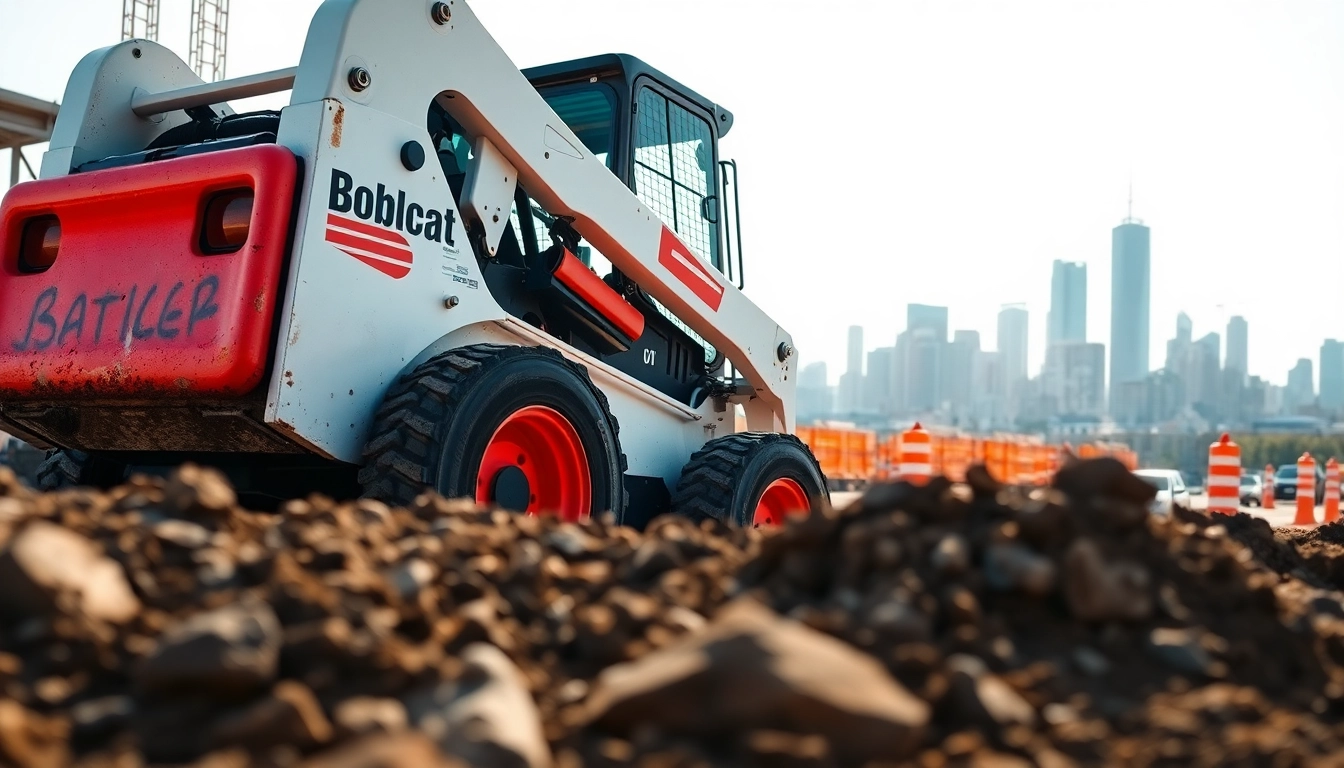
A bobcat is a compact construction equipment brand known primarily for its skid-steer loaders, excavators, and utility vehicles. These versatile machines excel in a variety of applications such as compacting, grading, and material handling. The original concept of the bobcat emerged in the late 1950s, and since then, it has become a staple in both commercial and residential construction projects.
Common Uses for Bobcats
Bobcats are favored in numerous sectors due to their adaptability:
- Construction: Essential for excavating, grading, and site preparation.
- Landscaping: Ideal for moving soil, rocks, and other materials for yard projects.
- Agriculture: Used for moving feed, fertilizer, and equipment in farming operations.
- Demolition: Excellent for tearing down structures and clearing debris.
Key Features of Bobcat Machines
Bobcat machines are equipped with features that enhance their performance:
- Versatility: Designed to accept a wide range of attachments, allowing one machine to perform multiple tasks.
- Compact Size: Ideal for navigating tight spaces where larger machines can't operate.
- Powerful Engine: Provides robust performance and efficiency for all tasks.
- Hydraulic System: Offers precision control and power for operations like lifting and digging.
Choosing the Right Bobcat for Your Needs
Factors to Consider When Selecting a Bobcat
Selecting the right bobcat depends on various criteria:
- Project Size: Assess the size and scope of your projects, as larger and heavier tasks may require a more powerful model.
- Terrain Type: Consider the ground conditions—whether flat or uneven terrain dictates which model best suits your needs.
- Attachment Compatibility: Ensure compatibility with attachments pertinent to your tasks.
- Weight Capacity: Evaluate the weight limits necessary for your projects to avoid overloading.
Comparing Bobcat Models
Bobcat offers several models designed for different applications. For example, the Bobcat S650 skid-steer loader is known for its high lifting capabilities and powerful engine, while the E165 excavator is compact yet powerful enough for larger excavation jobs. Always compare specifications, including horsepower, lift capacity, and hydraulic flow, to make an informed decision.
Cost Considerations for Bobcat Purchases
When budgeting for a bobcat, consider:
- Initial Cost: The upfront price can vary significantly based on model and configuration.
- Operating Costs: Include fuel, maintenance, and repair expenses.
- Financing Options: Explore lease versus buy scenarios to determine the best financial strategy.
- Resale Value: Consider how well-maintained units tend to retain value over time, which impacts long-term costs.
Bobcat Maintenance Best Practices
Regular Maintenance Checklist
Routine maintenance is essential for maximizing the lifespan of your bobcat. Follow this checklist:
- Check engine oil and replace as needed.
- Inspect hydraulic fluid levels regularly.
- Examine air filters and clean or replace them to ensure optimal air intake.
- Inspect tracks and tires for wear and damage.
- Test all lights and safety features before operation.
Common Issues and Solutions
Many bobcat users encounter typical issues:
- Engine Fails to Start: Check the battery, fuel level, and starter connections.
- Overheating: Ensure the coolant is at the proper level and check for blockages in the radiator.
- Hydraulic System Malfunction: Inspect hydraulic lines for leaks and ensure fluid levels are sufficient.
When to Seek Professional Help
If you encounter persistent issues or complex problems, it’s vital to consult a professional mechanic specializing in construction equipment. It is especially important when dealing with hydraulic systems or critical engine components where proper specification and tools are essential.
Enhancing Efficiency with Bobcat Attachments
Popular Bobcat Attachments
Bobcat attachments enhance functionality and broaden the range of tasks:
- Buckets: Used for scooping and moving materials.
- Pallet Forks: Ideal for moving pallets and heavy loads.
- Angle Brooms: Perfect for clearing debris from surfaces.
- Augers: Efficiently digs holes for planting or fencing.
Choosing the Right Attachment for Your Task
Selecting the correct attachment is critical as different types cater to specific needs. Assess the materials you're handling and the overall project requirements to determine the most effective tools for your bobcat.
How Attachments Improve Productivity
Using appropriate attachments can significantly enhance productivity. For example, using a auger attachment allows for quicker hole digging than manual methods, thus reducing labor costs and project timelines.
FAQs About Bobcat Operation and Safety
What safety gear is essential for operating a Bobcat?
Always wear a hard hat, safety goggles, high-visibility clothing, gloves, and steel-toed boots.
How often should I service my Bobcat?
It's recommended to perform maintenance checks every 50 hours of operation or as specified in the manual.
Can I use a Bobcat for landscaping projects?
Yes, Bobcats are versatile and are often used for landscaping, grading, and moving soil and materials.
What is the average lifespan of a Bobcat loader?
A well-maintained Bobcat loader can last 10,000 to 12,000 hours of operation, depending on usage and maintenance.
Is operator training necessary for using a Bobcat?
Yes, proper training is crucial for safety and efficient operation, especially for beginners.