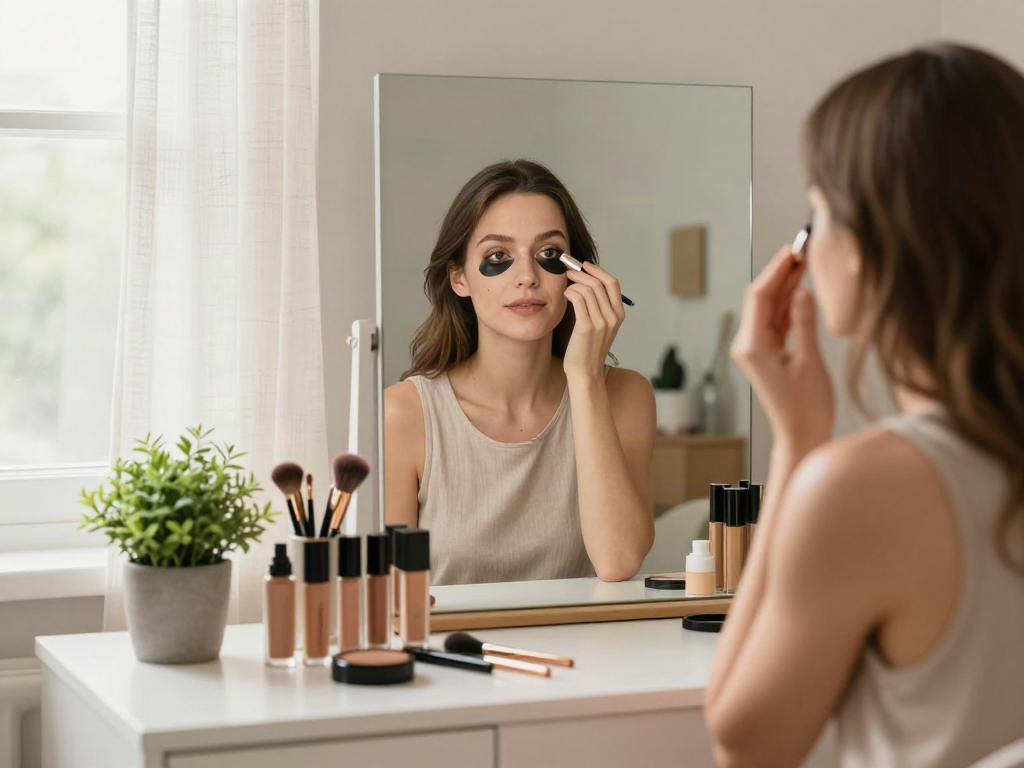
Understanding Attractiveness and Its Dimensions
Attractiveness is a nuanced concept that extends beyond mere physical appearance; it encompasses cultural perceptions, psychological factors, and individual preferences. Exploring the depths of attractiveness can help individuals understand not just how they are seen by others, but also how to improve their self-image and confidence. If you're seeking a straightforward way to gauge your allure, you can test attractiveness using innovative AI tools that can provide an objective analysis of your facial features.
What is Attractiveness?
Attractiveness refers to the qualities that make a person appealing or desirable to others. This can include physical beauty, charm, personality, and even social status. Various cultures define attractiveness differently, influenced by societal trends, media portrayals, and individual taste. As such, attractiveness is often seen as a subjective measure, differing across regions and social groups.
Key Components of Attractiveness
Research suggests that several key components contribute to perceived attractiveness:
- Facial Symmetry: Faces that are more symmetrical are often viewed as more attractive. This principle is rooted in evolutionary biology, where symmetry can signal genetic health.
- Golden Ratio: The proportion of facial features aligning with the Fibonacci sequence or the golden ratio is often considered aesthetically pleasing.
- Skin Clarity: Clear skin is frequently associated with youthfulness and vitality, enhancing attractiveness.
- Facial Structure: Certain features, such as high cheekbones and well-defined jawlines, are often deemed more attractive.
- Personal Style: How an individual presents themselves through fashion can significantly influence perceptions of attractiveness.
The Role of Self-Perception
Self-perception plays a crucial role in how we view our attractiveness and how others perceive us. Individuals who maintain a positive self-image often exude confidence, which can enhance their attractiveness. Conversely, negative self-perception can result in anxiety and diminish overall appeal. Understanding the psychological aspects of attractiveness can help individuals align their self-image with their actual qualities.
How to Effectively Test Attractiveness
There are various methods available for testing and evaluating attractiveness. From traditional approaches to cutting-edge AI technology, the options are versatile. Understanding how to access these tools can empower individuals to obtain a clearer view of their attractiveness.
Using AI Tools for Accurate Assessment
AI-powered tools have revolutionized attractiveness testing by providing quick and accurate evaluations based on facial analysis. These tools often assess factors such as symmetry, alignment of facial features, and attractiveness scores, which can range from 1 to 10. Utilizing AI can be a fun and insightful way to gauge appeal, giving you an objective perspective.
Common Methods of Attractiveness Evaluation
Aside from AI tools, there are several common methods people use to evaluate their attractiveness:
- Peer Feedback: Gathering honest opinions from friends can provide valuable insights, though it may also introduce bias.
- Self-Reflection: Taking time to reflect on personal qualities and strengths can enhance self-awareness and self-esteem.
- Social Media Feedback: Posting photos and gauging reactions can serve as an informal attractiveness test, though it is subject to the whims of online trends.
Preparing for Your Attractiveness Test
Preparation is essential when evaluating attractiveness. Consider the following tips:
- Choose recent, clear photos that represent your everyday look for digital tests.
- Maintain a neutral expression, as exaggerated poses can distort results.
- Engage with your chosen method with an open mind to truly benefit from the insights provided.
Interpreting Your Attractiveness Scores
Understanding the results of your attractiveness test is as vital as taking the test itself. Scores may vary based on several factors, including method and context, making it essential to interpret results holistically.
Understanding the Scoring System
Most attractiveness tests utilize a numerical rating system, frequently scaling from 1 to 10 or 0 to 100. Higher scores typically indicate greater attractiveness based on the criteria established by the testing method. It’s essential to recognize that these scores are not definitive measures of your worth or value as a person.
Utilizing Feedback for Personal Growth
Feedback received from attractiveness assessments—especially negative critiques—can serve as a powerful catalyst for personal growth. Instead of viewing these scores negatively, consider them opportunities for improvement. Whether it’s enhancing grooming habits or adopting a healthier lifestyle, focus on constructive changes.
Addressing Misconceptions About Attractiveness Scores
It’s important to understand that attractiveness tests can only provide a snapshot based on specific criteria and may not represent holistic beauty. Many factors influence our perceptions, including personality traits and kindness, which scores may not capture.
Improving Attractiveness Based on Results
Even if your attractiveness score doesn’t align with your self-perception, there are numerous avenues for improvement. Taking actionable steps to enhance your appeal can lead to increased confidence and self-esteem.
Self-Care and Grooming Tips
A key aspect of enhancing attractiveness lies in effective self-care and grooming practices:
- Skincare: Invest in a good skincare routine tailored to your skin type to achieve a healthy glow.
- Hair Care: Regular haircuts and maintaining a style that suits your face shape can significantly impact your overall look.
- Hygiene: Consistent grooming and hygiene practices are fundamental to presenting oneself attractively.
Confidence-Building Techniques
Confidence is often cited as one of the most attractive qualities. Here are some strategies to build confidence:
- Positive Affirmations: Regularly affirming your strengths can reshape your self-image over time.
- Body Language: Adopting open body language can increase how approachable and attractive you appear to others.
- Personal Achievements: Engaging in activities that help you achieve personal goals can bolster your confidence and attractiveness.
Styling and Presentation Strategies
Fashion choices and overall presentation can dramatically affect perceptions of attractiveness.
- Wardrobe Selection: Choosing clothing that fits well and enhances your body shape can elevate your appearance.
- Accessorizing: Thoughtful accessories can add personality and flair to your look.
- Makeup Techniques: Learning makeup skills that highlight your features can enhance your overall attractiveness.
Future Trends in Attractiveness Testing
The landscape of attractiveness testing is evolving, driven by advances in technology and shifting cultural perceptions of beauty. Understanding these trends can help individuals prepare for the future of attractiveness evaluation.
AI Innovations in Beauty Assessment
As artificial intelligence continues to advance, future attractiveness tests will likely become more sophisticated. Expect tools that can analyze deeper psychological factors alongside physical attributes. These innovations will create a more comprehensive understanding of what constitutes attractiveness.
Changing Perceptions of Beauty in Society
Societal standards of attractiveness are continuously evolving. Increasingly, audiences are challenging traditional beauty norms and valuing diversity in appearance. This shift allows for a broader definition of attractiveness that celebrates uniqueness and individuality.
Preparing for Trends in 2026 and Beyond
As we look ahead, it is crucial to remain adaptable. Fostering self-love and confidence can help navigate the changing landscape of attractiveness standards. Understanding that beauty is multifaceted and subjective will empower individuals to embrace their uniqueness confidently.
How can I test my attractiveness?
There are various online platforms and tools available that allow for self-assessment of attractiveness. By using AI-driven sites, individuals can gain insights into their facial features and overall attractiveness.
Is there an accurate attractiveness test?
While no test may provide a wholly definitive score, many AI tools offer reliable assessments based on scientifically-backed criteria.
What factors influence attractiveness ratings?
Factors influencing attractiveness ratings include facial symmetry, skin health, and cultural beauty standards, all of which contribute to perceptions of beauty.
Can personality affect perceived attractiveness?
Psychological studies indicate that personality traits such as kindness, humor, and confidence can enhance perceived attractiveness significantly.
Is a 7 out of 10 considered attractive?
Generally, a score of 7 out of 10 can be seen as above average in attractiveness, but perceptions vary based on personal preferences and cultural standards.